







Sbl.so can send LinkedIn outreach from SDR profiles it supplies, while its AI keeps each conversation going until a meeting is booked.
So for every alternative I checked, I looked at whose LinkedIn profile does the sending and who answers when a prospect writes back.
My ranking of 10 options follows, plus a table near the end that covers both points.
TL;DR
- Meet Alfred is the best Sbl.so alternative in 2026 for sales teams and agencies that want outreach sent from their reps' own LinkedIn profiles and a person answering every reply, with email and X steps in the same sequence.
- HeyReach and Salesforge suit teams pooling many LinkedIn senders, since HeyReach charges one flat fee across a sender pool and Salesforge removes the sender cap on its $80 Growth plan.
- For AI that answers prospects, We-Connect's auto-reply works with or without your approval, while Reply.io and Salesforge sell Jason AI SDR and Agent Frank as separate plans.
- Expandi, La Growth Machine, Lemlist, Waalaxy, and Dripify complete the list, from Expandi's warm-up on every profile down to Waalaxy at €19 a user.
What are the best Sbl.so alternatives?
For teams that want their own profiles doing the sending, Meet Alfred is the Sbl.so alternative I'd put first in 2026, with HeyReach next for anyone running a rotating pool of senders.
The comparison below pairs each of the ten LinkedIn automation tools with the team it suits and its starting price in 2026:
How did I pick these Sbl.so alternatives?
I judged every tool below on four points that mirror how Sbl.so operates, after checking that each automates LinkedIn outreach and shows its entry price publicly.
- Whose profile sends: Either LinkedIn accounts that you and your teammates connect, or profiles the vendor provides.
- Who answers replies: A person working from a shared inbox, or AI that either drafts for approval or sends on its own.
- Where the list comes from: Signals and data the vendor supplies, or searches and imports you run yourself.
- Channels past LinkedIn: Sbl.so covers LinkedIn and WhatsApp and lists email as coming soon, so I noted which tools add email and which go further with X or calls.
Note: PhantomBuster didn't make this list, and neither did Dux-Soup or Octopus CRM, as they fit data extraction or low-cost outreach from one person's profile better than the job Sbl.so does.
➡️ Lighter LinkedIn-only tools like those are covered in our LinkedIn automation software roundup.
#1: Meet Alfred - Best Sbl.so Alternative for Sending From Your Own Profiles
Meet Alfred is the best Sbl.so alternative in 2026 for teams that want every invite and message to come from a rep's own LinkedIn account, with a person picking up each reply.
Sbl.so is built around SDR Profiles it rents out, pre-warmed and rotated for you.
At Meet Alfred, we took a different route, where the sending stays on profiles your buyers will later meet.
A note on bias: Meet Alfred is our product, so I've stuck to what's documented and listed the gaps under pros and cons.
When I talk to teams that run outbound on LinkedIn, the same four problems come up, and each one shaped how Meet Alfred works:
- New connections that end up in a profile you don't own: Every invite goes out from the rep's own LinkedIn account, one per seat, so each accepted request becomes a first-degree connection that stays with your team.
- Replies sent in your name that nobody read first: A campaign pauses as soon as a prospect answers, and a person writes the reply from the Smart Inbox.
- Fear of losing the account that does the sending: Campaigns run in the cloud behind a dedicated IP for each account, inside daily limits and working hours you control.
- Buyers who ignore LinkedIn messages: Email and X steps go into the same sequence, which gives a prospect who never opens LinkedIn another place to answer.
More than 175,000 registered users in 92 countries have signed up for Meet Alfred, and I'll show you how a team sets it up in the five steps below:
How does Meet Alfred work for a team sending from its own profiles?
Meet Alfred takes a team from connected LinkedIn accounts to answered replies in five steps, with each rep's profile staying the sender throughout.
Step 1: Connect each rep's LinkedIn account
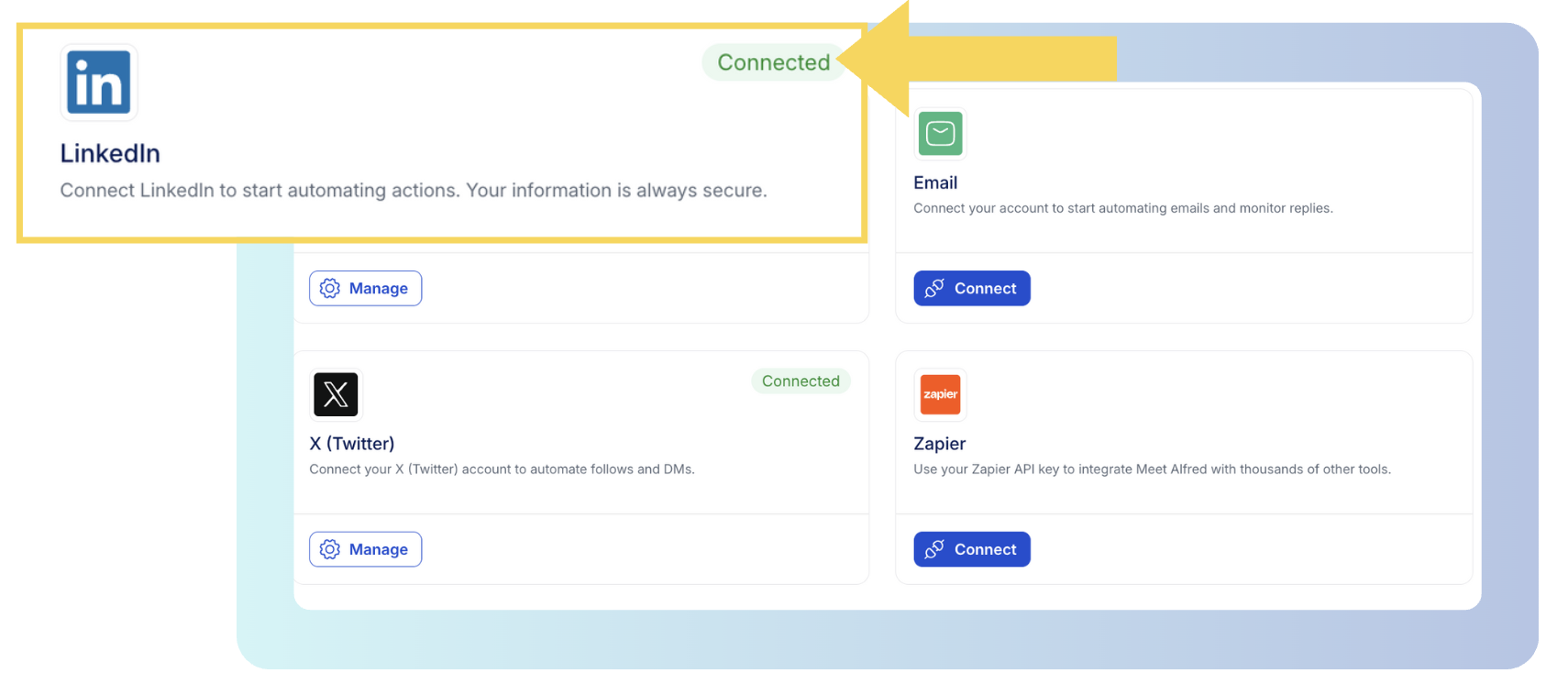
Every rep connects their own LinkedIn profile, with the two-factor prompt handled inside Meet Alfred.
Campaigns then run from the cloud through a dedicated IP address for that account, which means nobody needs a browser extension or a laptop left open.
Daily limits depend on your LinkedIn account type, though you can lower them whenever you like.
It's ideal to keep a profile that's new to automation on a low daily number for the first weeks and raise it gradually, whatever the ceiling allows.
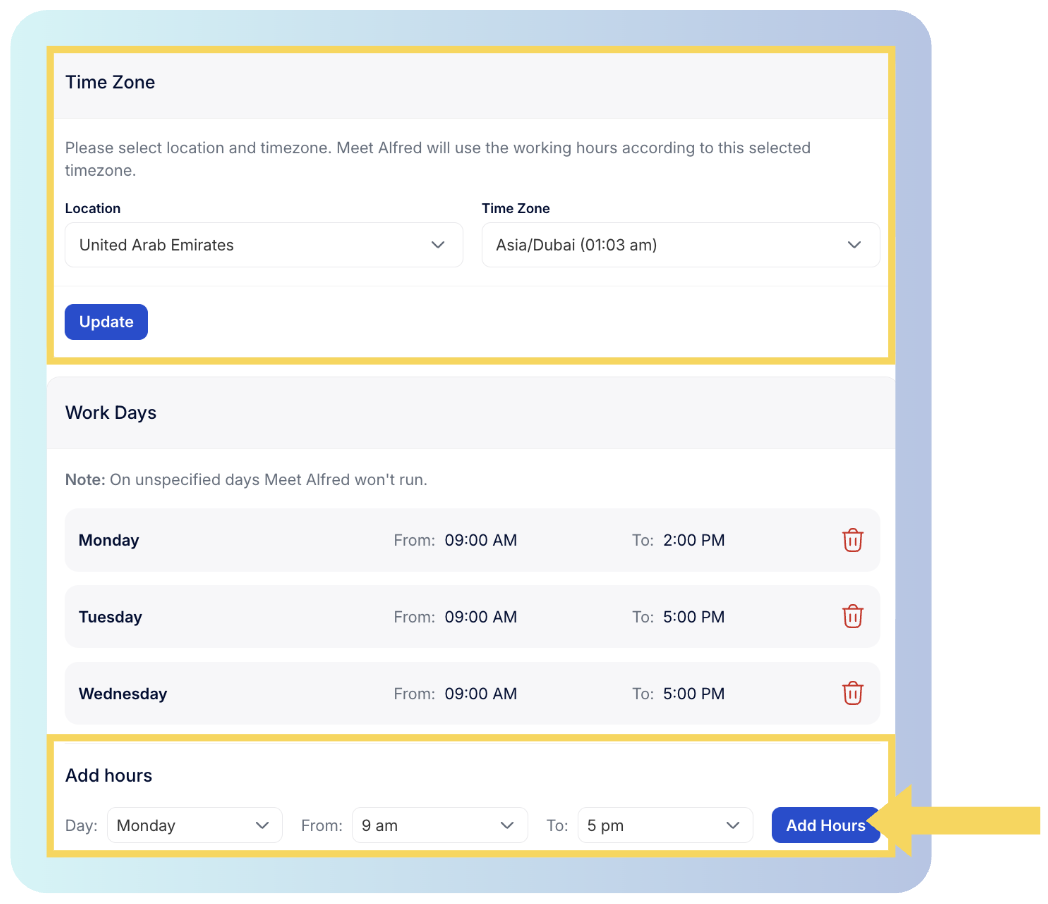
You'll want to add working hours and a time zone next, which keeps activity inside the hours that the rep would normally be online.
Step 2: Build lists from people already showing interest
Sbl.so builds its lists from buying signals, and the nearest equivalent in Meet Alfred is a campaign aimed at people who've already engaged with something on LinkedIn.
A post campaign collects everyone who liked or commented on a post you choose, even when the post isn't yours.
If a competitor announces a pricing change and 300 people react, that post can become your campaign source the same afternoon.
Event attendees and group members work in the same way, as do subscribers of a LinkedIn newsletter.
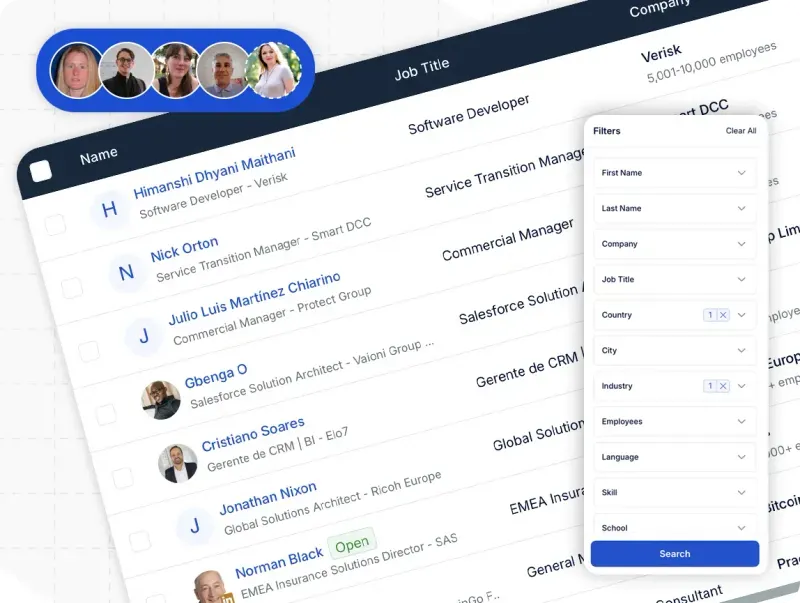
With no engaged audience to start from, the AI Lead Finder searches LinkedIn on filters such as industry, job title, location, and language, and shows sample results before you fix the lead count.
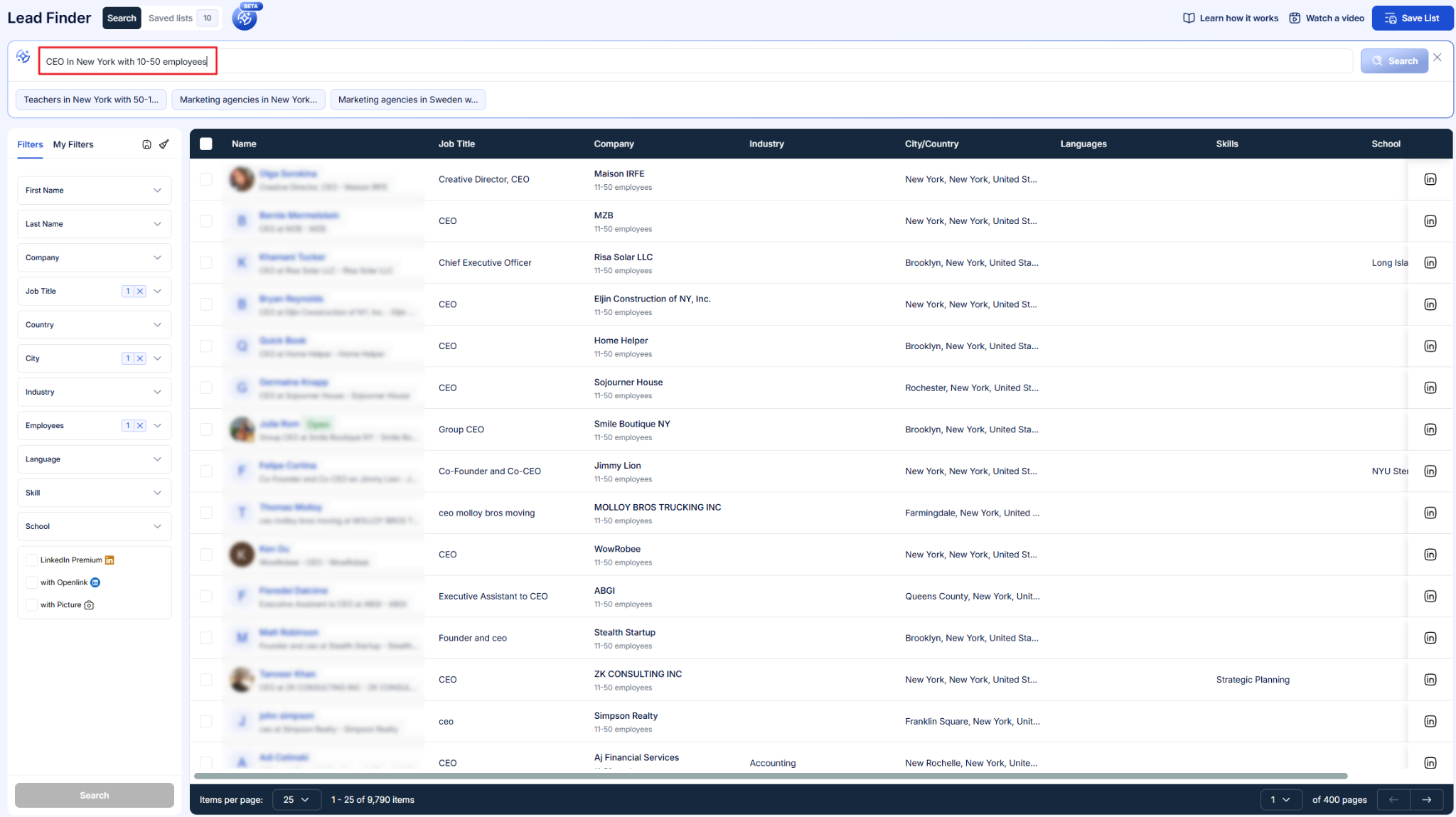
Meet Alfred won't track job changes or funding rounds for you, so those triggers still need a person or a separate data source.
➡️ Our LinkedIn prospecting tools roundup compares list-building options in more detail.
Step 3: Write one sequence for LinkedIn, email, and X
The sequence builder in Meet Alfred takes any number of steps, with a delay you set between each one.
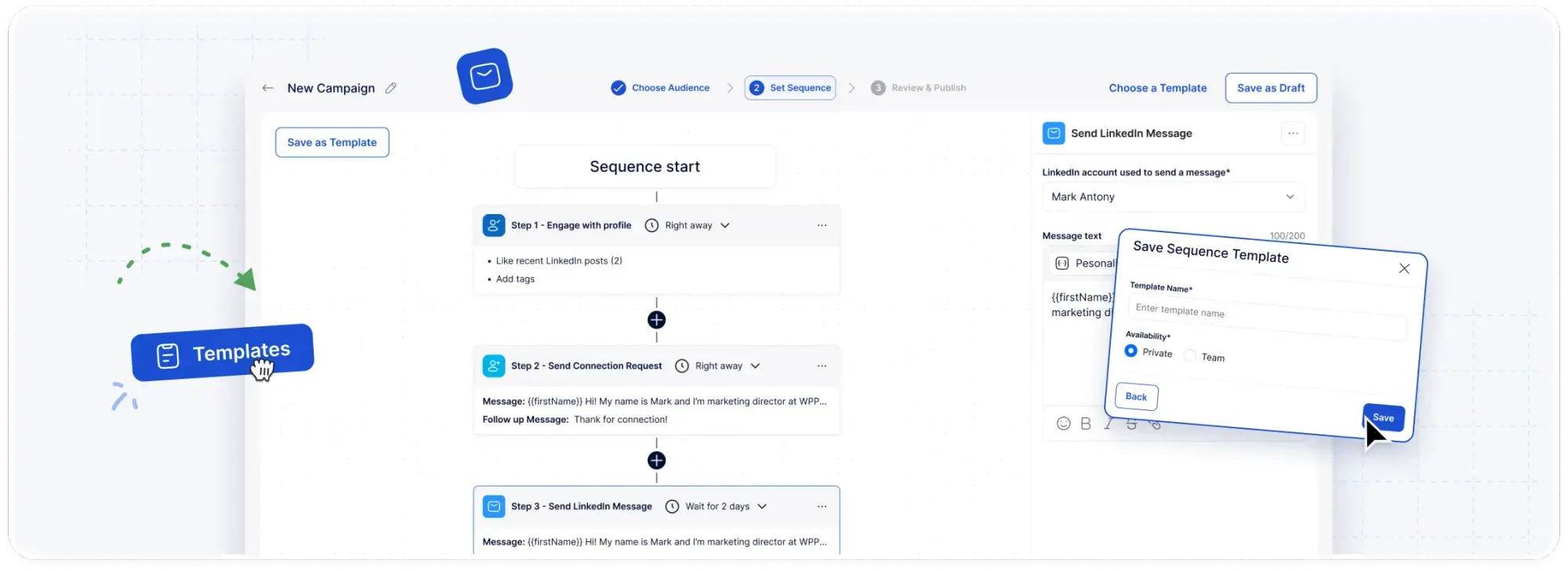
For the post-reaction audience above, my usual opening is a profile view, followed two days later by a connection request that mentions the post.
An accepted invite then gets a short message with a one-page case study attached.
Anyone who hasn't accepted after a week can get an email step, provided their address came in with a CSV, or a follow and a direct message on X if you have their handle.
Dynamic snippets fill in each prospect's name and job title from their profile, while custom fields carry anything extra from your CSV.
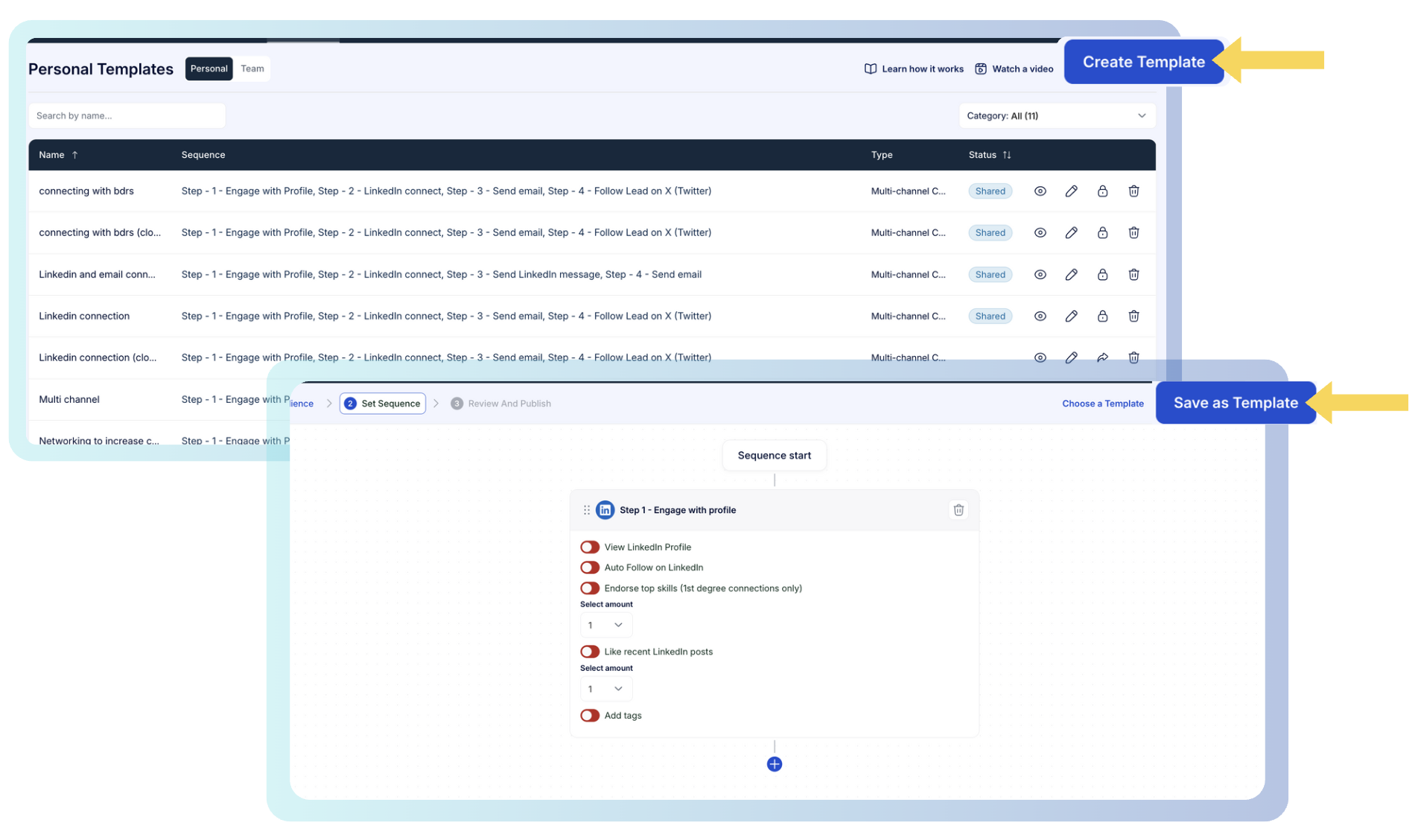
There are more than 600 templates in the library, sorted by platform and use case, and I'd recommend saving any sequence that works for the whole team.
➡️ There's more on wording in our guide to personalizing LinkedIn messages at scale.
Step 4: Answer replies as a team
In Meet Alfred, the campaign for a contact halts once they reply, so nothing else in the sequence goes out to them.
LinkedIn messages and InMails from every rep arrive in the Smart Inbox, where each thread shows the contact's role and employer.
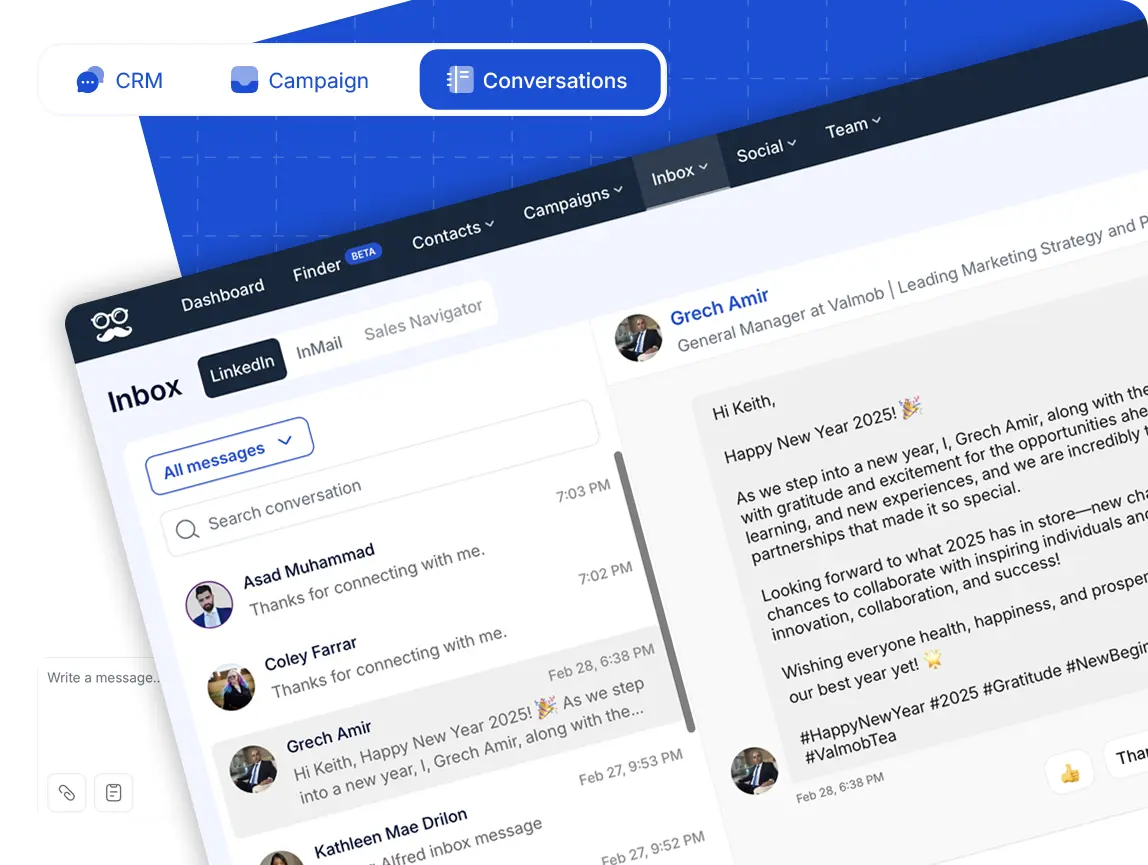
On team setups, a thread can be assigned to a colleague with an internal note attached, which keeps two people from answering the same prospect.
If a deal needs a senior voice, a manager can open that rep's account through impersonation and answer from the same profile, without a shared login.
Sbl.so's AI would have answered without waiting for anyone, so I'd say the trade is speed for control, because with Meet Alfred the reply waits for a person who decides exactly what gets said.
Step 5: Keep working the connections you've made
As Meet Alfred sent the invites from your reps' own accounts, every accepted one stays in their network after the campaign ends.
The LinkedIn CRM lists leads and existing connections separately, with color-coded tags and notes on each contact.
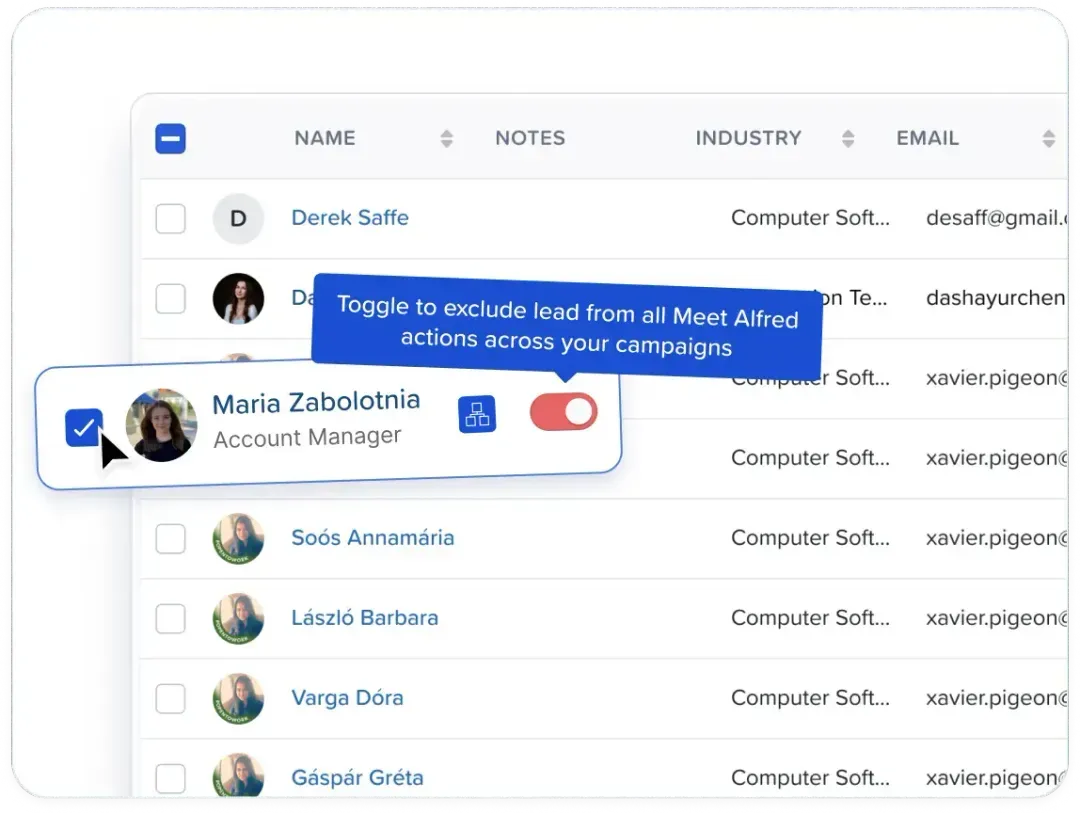
I usually switch on automated greetings at this point, which send a note for a new role, a work anniversary, a birthday, or an endorsement received.
A fresh campaign aimed only at first-degree connections can launch straight from the CRM, and contact details export to CSV if another tool needs them.
Meet Alfred features
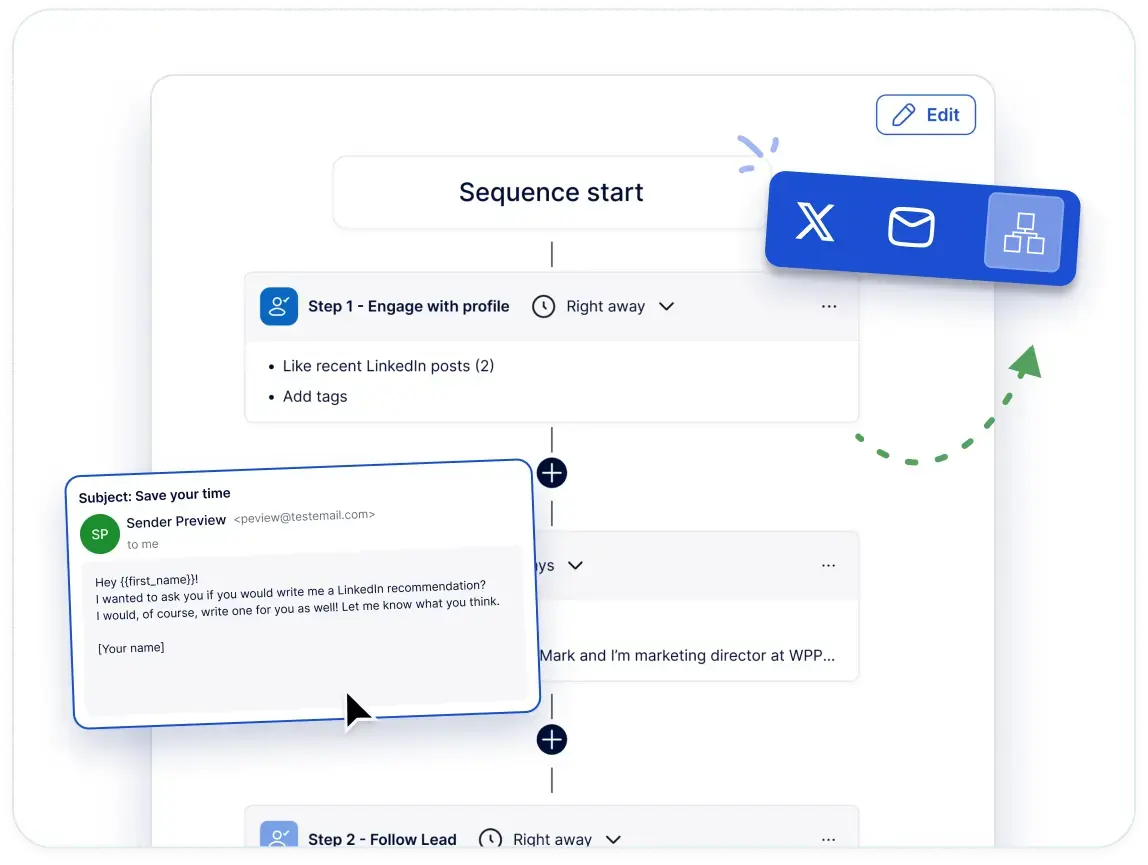
- One LinkedIn account per seat: each seat pairs one user with one connected account, and seats can't be shared. Meet Alfred doesn't rotate one campaign across a pool of profiles the way Sbl.so does, so I'd budget a seat for every rep who sends.
- Impersonation: a manager opens any teammate's account from their own login to build campaigns or answer leads, without asking for credentials.
- Roles and groups: members get permissions by role, while groups sort accounts by client or by campaign.
- Team workspaces: every client or squad gets a workspace with its own leads and campaigns. For an agency that separated clients with Sbl.so's unlimited workspaces, this does a similar job.
- Team analytics: replies and connection requests are broken out by member, and the data exports for reporting. I look at this once a week to see which rep's sequence needs a rewrite.
- White label: agencies put their own logo, colors, domain, and sending address on the platform, which means clients only see the agency's brand. Setup takes a few minutes, and the white label page shows the result.
- Sales Navigator and InMail: Sales Navigator searches and saved lists import straight into a campaign, and InMail can run as a step for people outside your network. InMail credits come from your own Sales Navigator Core or Advanced subscription.
- Integrations: Zapier and webhooks cover no-code automation and an API covers custom builds, with Salesforce and HubSpot sync for contacts and replies.
💡 For security reviews, Meet Alfred lists GDPR and CCPA compliance. Data is encrypted end-to-end and hosted on AWS, with DDoS protection.
How is Meet Alfred different from Sbl.so?
Meet Alfred sends from your own LinkedIn accounts and hands replies to people, while Sbl.so can send from rented SDR Profiles and lets AI carry the conversation.
Here are Sbl.so and Meet Alfred compared on the same criteria:
➡️ Meet Alfred has no equivalent for AI-run conversations or WhatsApp follow-ups, so if either one is central to how you sell, you'll want to weigh that before anything else.
Meet Alfred pricing
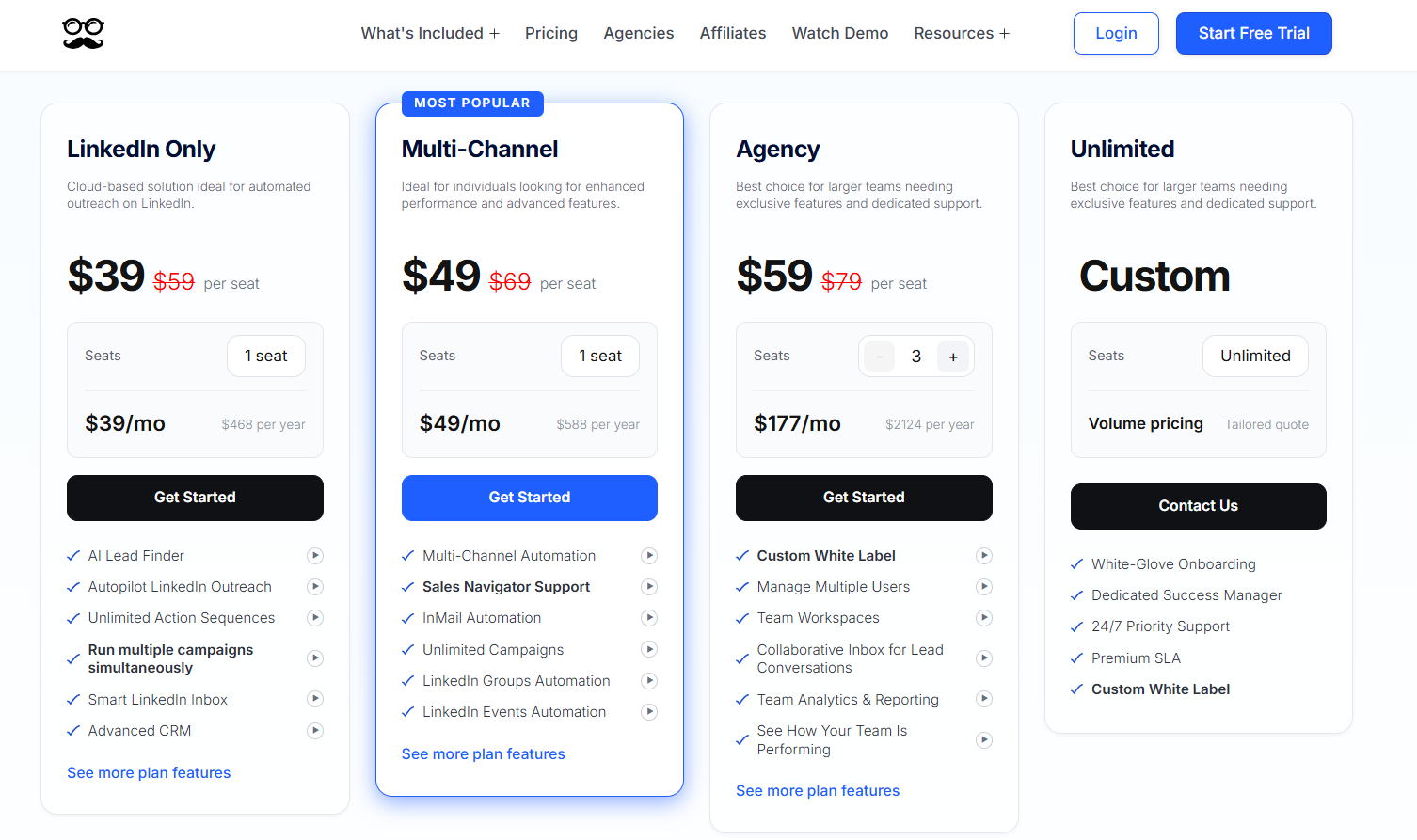
Our Meet Alfred pricing starts at $39/seat/month billed annually for LinkedIn automation, and every plan can be tried free for 7 days without a card.
- LinkedIn Only, $39/seat/month billed annually: the Smart LinkedIn Inbox, the CRM with tags and notes, templates, automated greetings, sequences with no step cap, several campaigns at once, and 1,000 Lead Finder results, on Basic and Premium LinkedIn accounts.
- Multi-Channel, $49/seat/month billed annually: email and X in the sequence, campaigns from groups, events, posts, newsletters, and company pages, Sales Navigator, InMail, CSV campaigns, attachments, social scheduling, Zapier, webhooks, CRM integrations, no cap on campaigns, and 5,000 Lead Finder results.
- Agency, $59/seat/month billed annually from three seats: everything in Multi-Channel, plus white label, a collaborative inbox, team workspaces, roles and permissions, team analytics, native Salesforce and HubSpot sync, a dedicated account manager, priority support, and 10,000 Lead Finder results.
- Unlimited, custom: volume pricing for larger rollouts, with white-glove onboarding, a dedicated success manager, priority support around the clock, and a premium SLA.
Meet Alfred pros and cons
✅ Outreach goes out from the rep's own profile, so accepted connections stay in their network.
✅ With Meet Alfred, a person writes every reply.
✅ Email and X run in the same sequence as LinkedIn.
✅ White label and impersonation cover agency work.
❌ No AI that answers prospects.
❌ No WhatsApp or voice steps.
❌ No signals for job changes or funding.
#2: HeyReach
Best for: Outbound teams and agencies that want one campaign spread across many of their own LinkedIn accounts, on a flat fee.
Similar to: Sbl.so, Expandi.
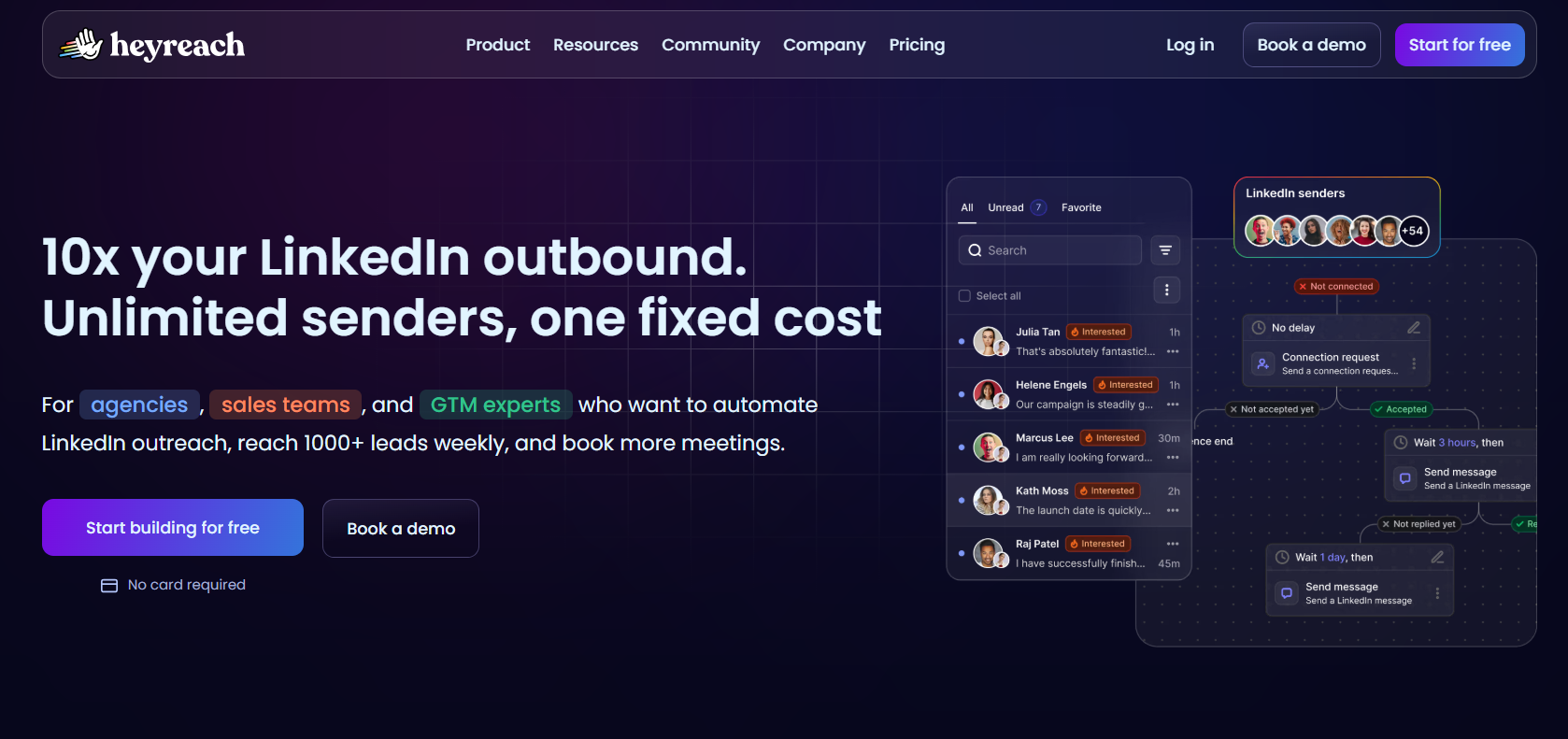
HeyReach rotates sending across a pool much as Sbl.so does, except that the pool is made of LinkedIn accounts you and your team connect.
The platform bills by the number of senders and lets teammates and clients log in free, and by my math the $999 Agency plan starts to pay off from 13 senders, before proxy costs.
People handle the replies, though a manager can answer for any connected account from the unified inbox.
➡️ Agencies comparing sender-pool tools can read our HeyReach alternatives list as well.
HeyReach features
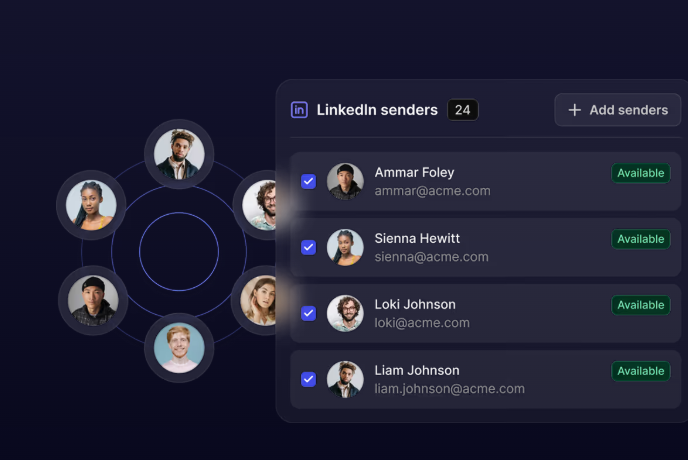
- Sender rotation: HeyReach divides a campaign's volume across every connected LinkedIn account, which keeps any single profile from carrying the whole load.
- Unified inbox: Messages from all accounts land in a single view, where replies can go out as text or as a recorded audio note.
- List imports: Contacts arrive from Sales Navigator, Clay, RB2B, HubSpot, or any tool that can push them, and an "If Connected" condition separates existing connections from new ones.
- Automation access: Campaigns can be launched and reports pulled by an AI assistant through the MCP server, alongside an API, webhooks, and a command line tool.
HeyReach pricing
A single HeyReach sender costs $79 a month, less 10% on quarterly billing or 20% on annual.
- Growth, $79/month: one sender and a dedicated residential proxy.
- Agency, $999/month: 25 senders and white label, running on proxies you supply.
- Unlimited, $2,999/month: no sender cap across multiple workspaces, also on your own proxies.
- Done for you, custom: HeyReach's team runs the outreach.
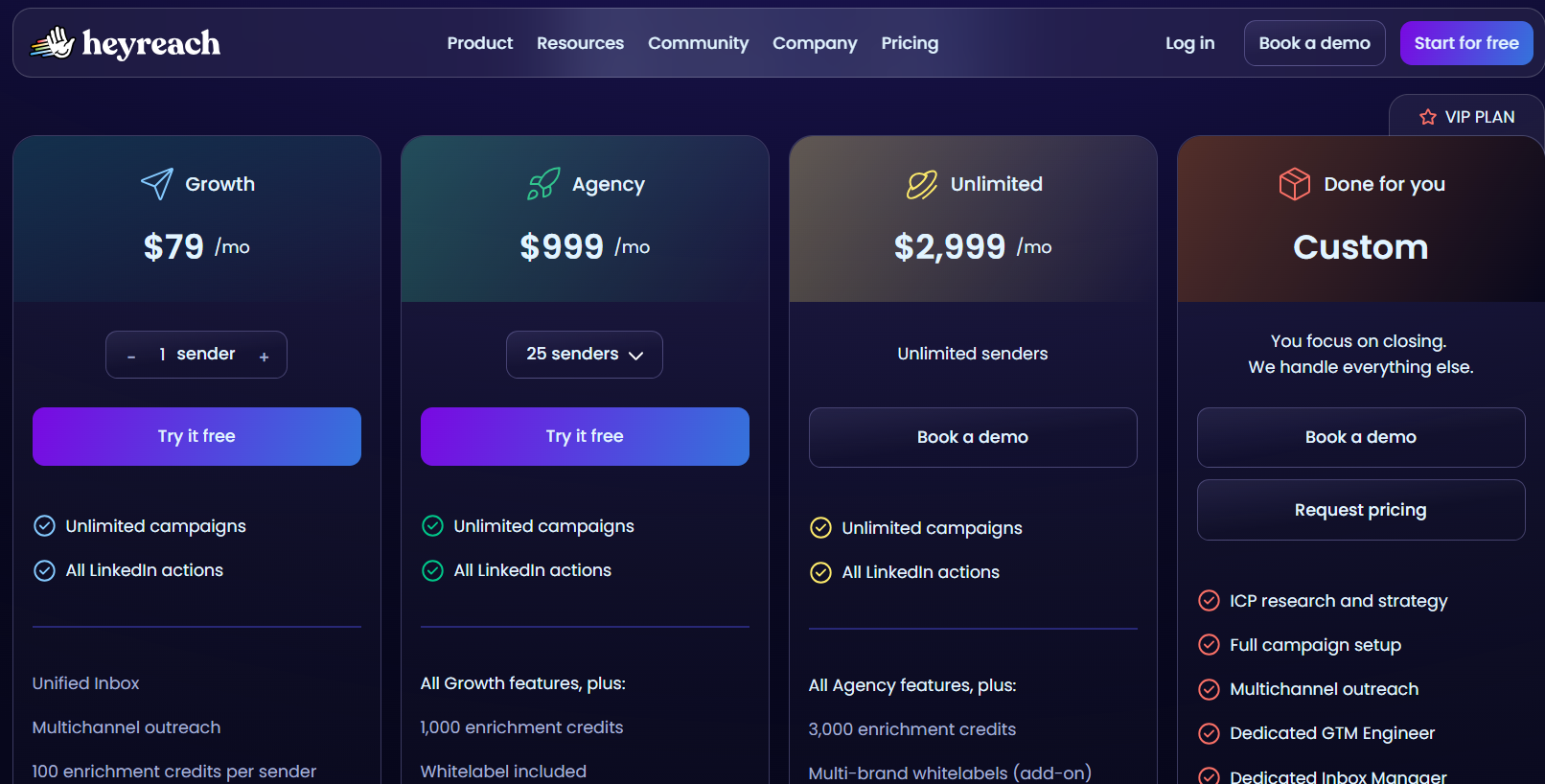
Growth comes with a 14-day trial covering three LinkedIn accounts, no card needed, and the two larger plans can be trialled for 30 days on request.
HeyReach pros and cons
✅ Cost per sender falls as the pool grows.
✅ Connects to Clay and n8n, plus a HubSpot sync that HubSpot has verified.
✅ Logins for teammates and clients are free.
❌ No outbound email, which one G2 reviewer wished for.
❌ Proxies are your responsibility on Agency and Unlimited, though HeyReach offers help.
#3: We-Connect
Best for: Recruiters and small sales teams that want AI drafting outreach and answering LinkedIn replies, with the option to approve each one.
Similar to: Dripify, Expandi.
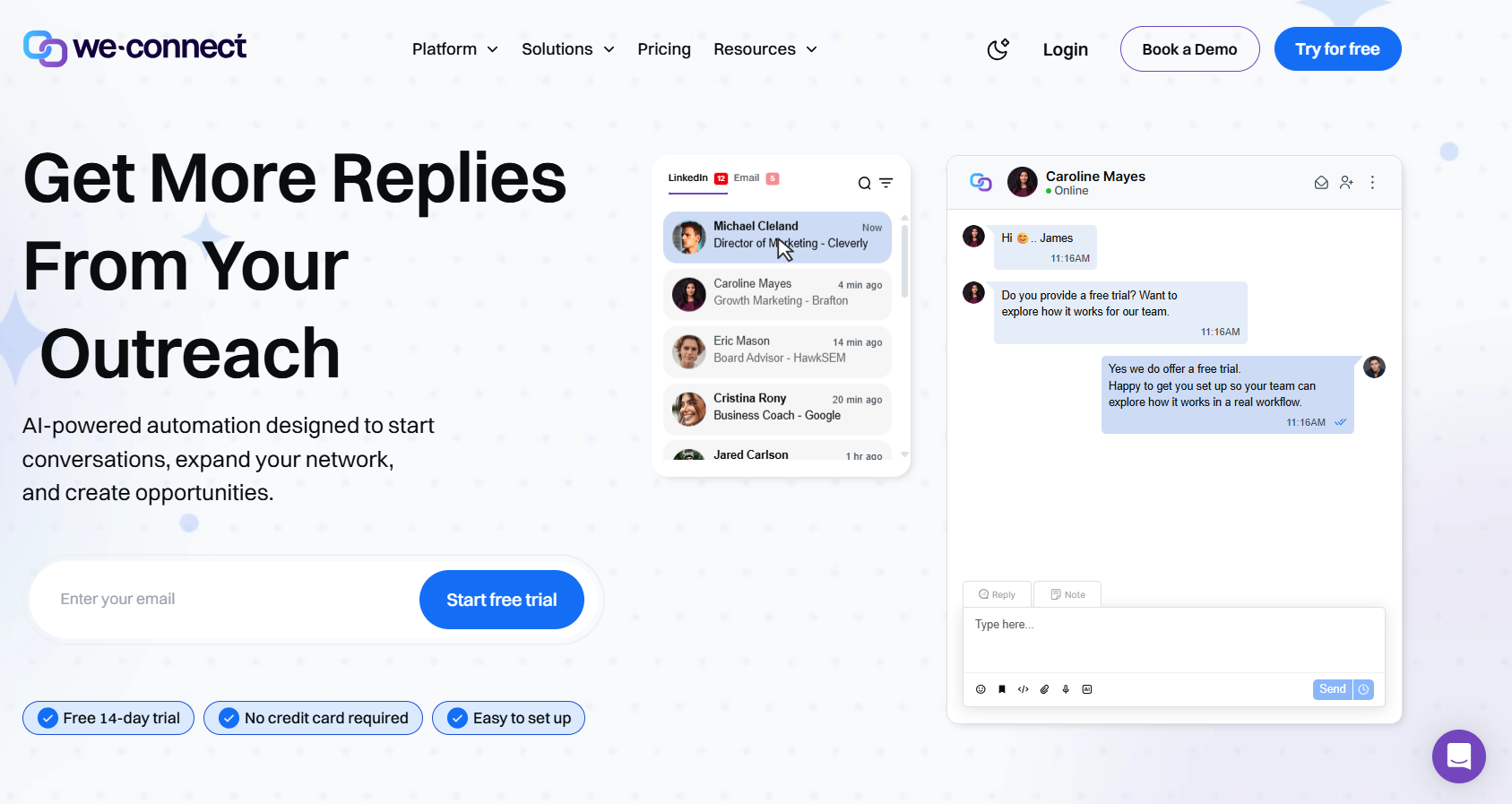
AI auto-reply is part of We-Connect's $49 Growth seat, the lowest price on this list for AI that answers prospects.
Unlike Sbl.so's rented SDR Profiles, a We-Connect seat sends from your own LinkedIn account.
I'd run the auto-reply in co-pilot mode at first, where every draft waits for sign-off, and only switch to autonomous mode once the answers read the way you'd write them.
We-Connect features
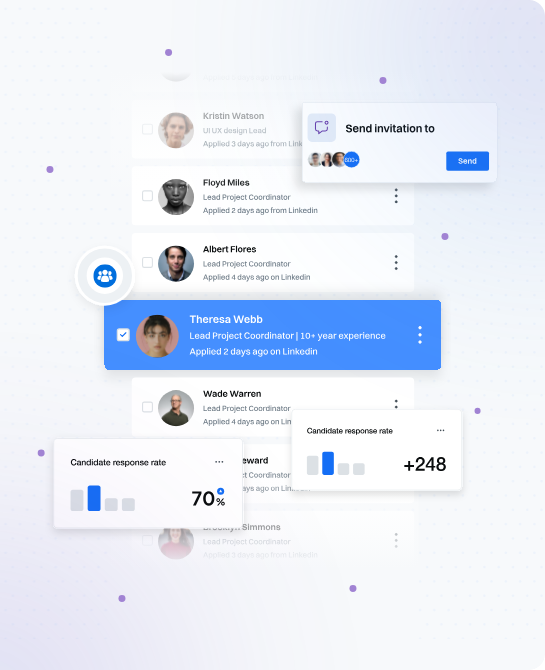
- AI auto-reply: We-Connect answers incoming LinkedIn messages in co-pilot or autonomous mode.
- AI Assist: Connection notes and follow-ups are drafted from profile data, with icebreakers and spintax.
- Email workflows: From Professional, email steps fire on what a contact did on LinkedIn, with split testing and reporting on opens and clicks.
- Lead Engine: A visual builder, still in beta, that scores contacts and routes them by behaviour.
- LinkedIn actions: Invites through to InMails, each message filled in from the contact's profile before it sends.
We-Connect pricing
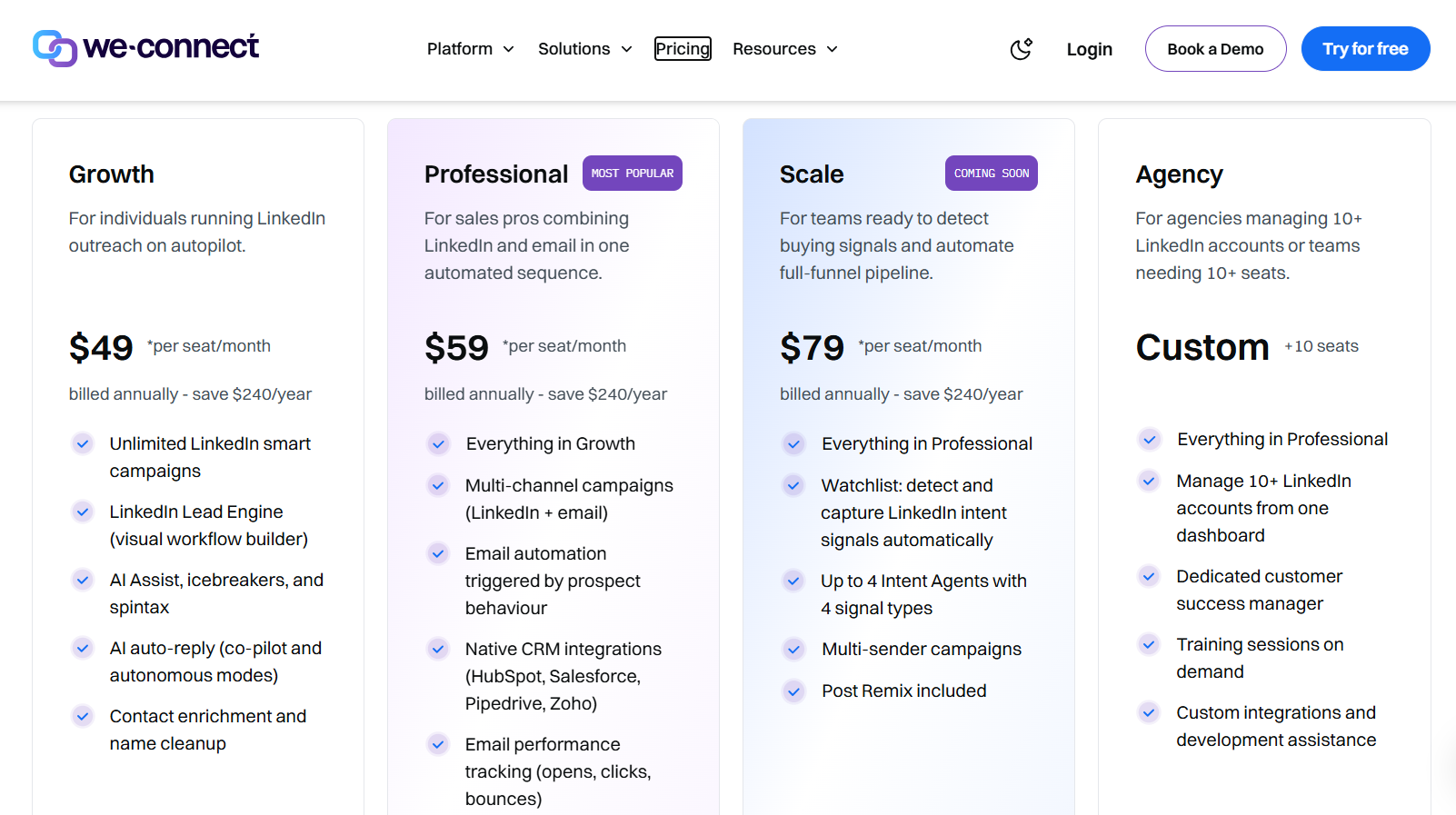
We-Connect charges $49 per seat a month on annual billing for Growth, while agencies get a direct quote.
- Growth, $49/seat/month billed annually: AI Assist, AI auto-reply, the Lead Engine, contact enrichment, and LinkedIn smart campaigns without a cap.
- Professional, $59/seat/month billed annually: multi-channel campaigns, email triggered by LinkedIn behaviour, email performance tracking, and native CRM integrations.
- Scale, $79/seat/month billed annually: not yet available, and set to add multi-sender campaigns and Post Remix, plus intent-signal capture through up to four intent agents.
- Agency, custom from ten seats: ten or more LinkedIn accounts in one dashboard, a dedicated customer success manager, on-demand training, and custom development help.
A 14-day trial is available with no card, and Post Remix is sold as an add-on from $16/seat/month.
We-Connect pros and cons
✅ AI replies in two modes on a $49 seat.
✅ Native syncs with Salesforce, HubSpot, Pipedrive, and Zoho from Professional.
❌ Email needs the Professional tier.
❌ Multi-sender campaigns wait for the Scale plan.
➡️ Our We-Connect alternatives article covers what teams test alongside it.
#4: Reply.io
Best for: Sales teams that run email and calls beside LinkedIn and may want an AI SDR handling prospecting later.
Similar to: Lemlist, La Growth Machine.
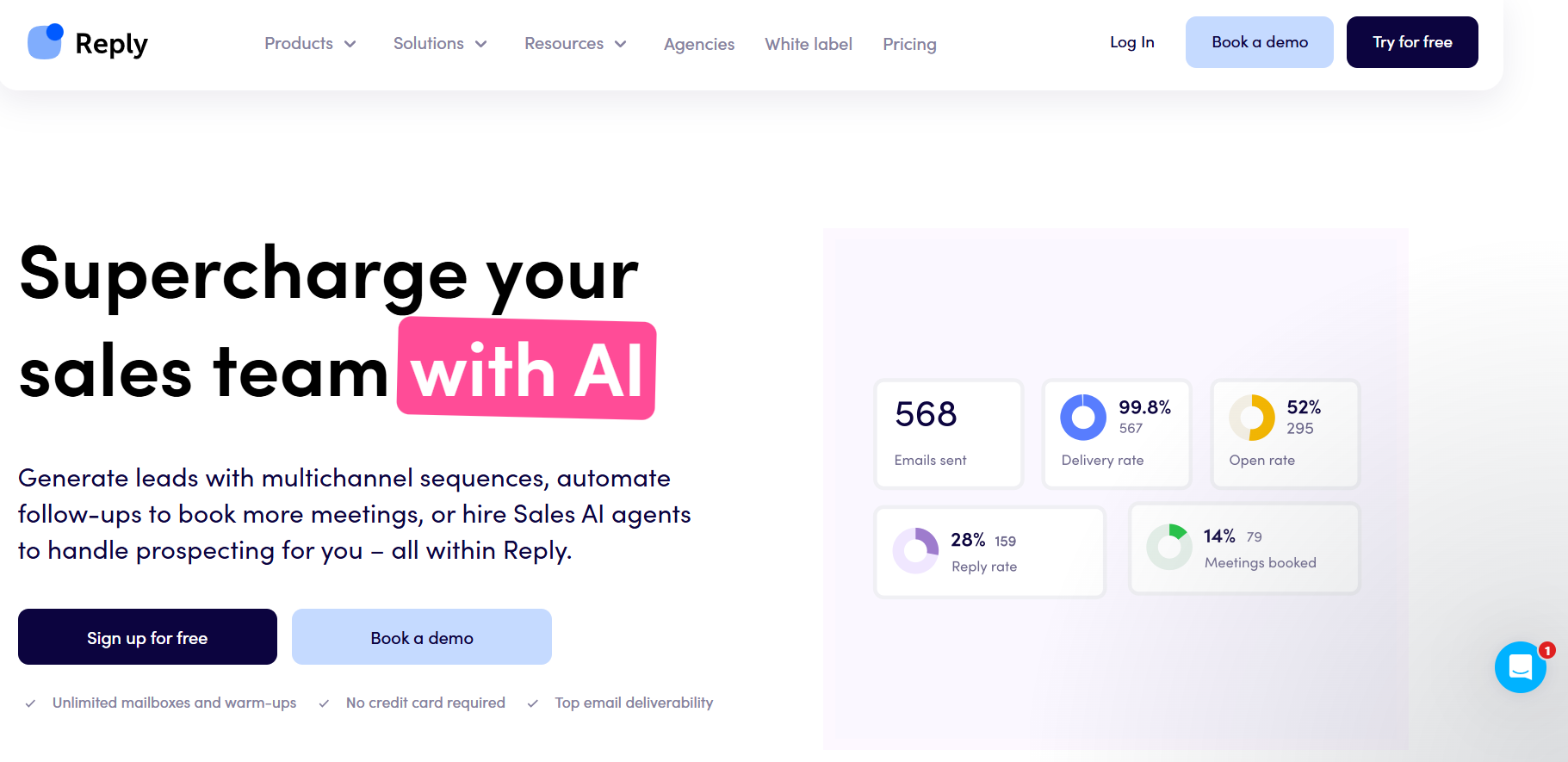
LinkedIn is one of five channels in a Reply.io sequence, next to email, calls, SMS, and WhatsApp.
The part closest to Sbl.so is Jason AI SDR, a separate plan from $500 a month, and in my view that price only pays off once your outbound process already works by hand.
LinkedIn runs through accounts you connect, at $69 a month each on the Email Volume plan or bundled per user on Multichannel.
➡️ Email-led teams can compare similar platforms in our Reply.io alternatives article.
Reply.io features
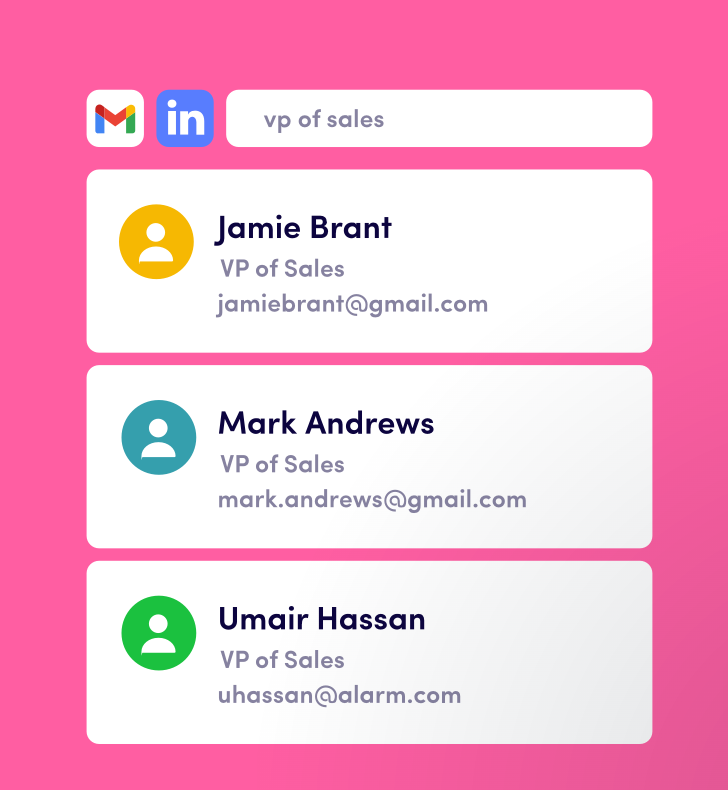
- Jason AI SDR: A fully automated prospecting and reply motion, priced as its own plan.
- LinkedIn module: In Reply.io, connection requests, InMails, voice messages, and skill endorsements either run automatically or wait as manual tasks for your approval.
- Conditional sequences: Silence on email can move a prospect to a LinkedIn touch and then a call, depending on what that person did.
Reply.io pricing
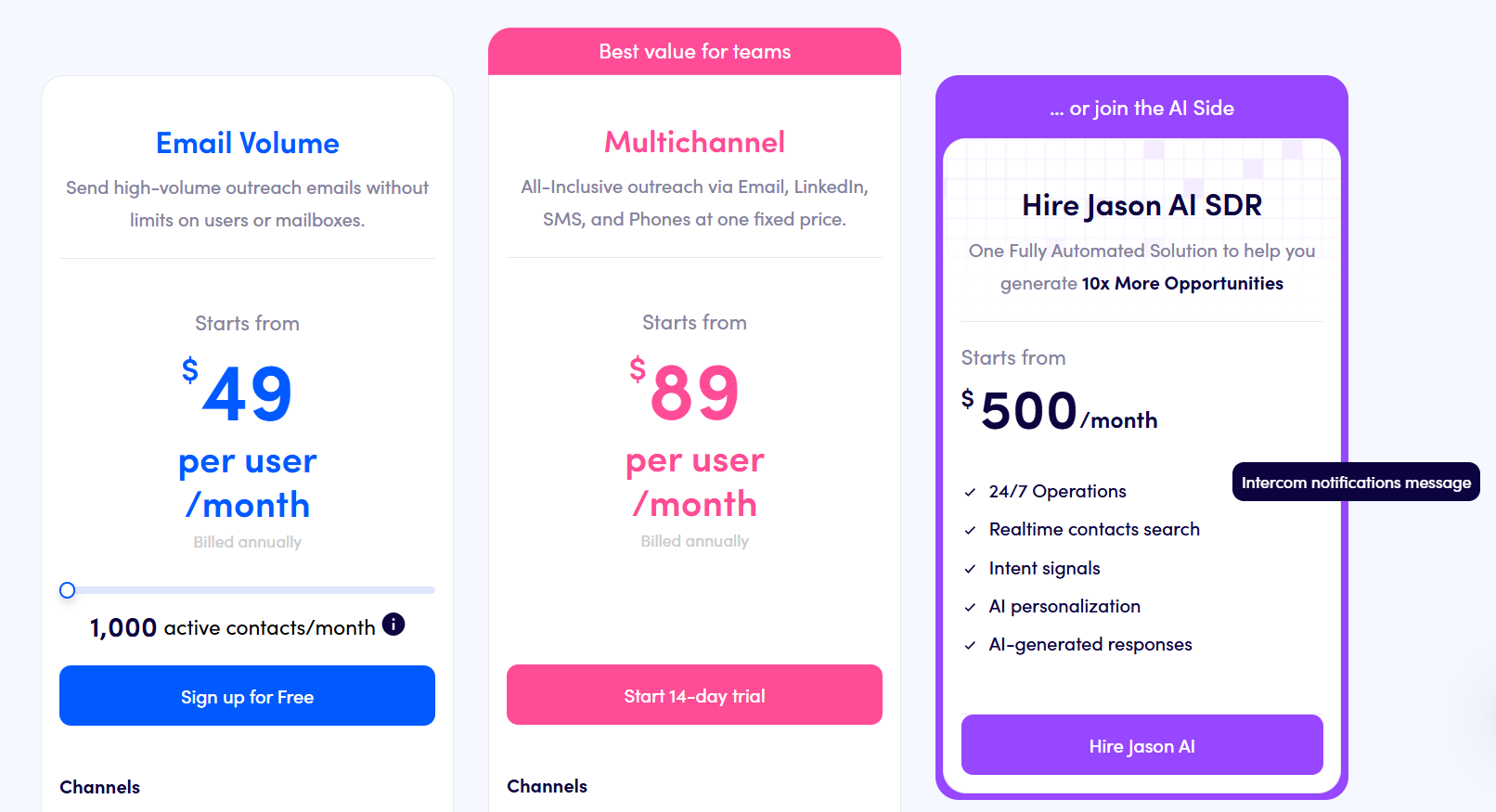
Reply.io has two plan shapes, Email Volume from $49 a month and Multichannel from $89 per user billed annually.
- Email Volume, from $49/month: unlimited users and mailboxes for 1,000 active contacts, LinkedIn at $69/month per account, and calls with SMS at $29/month per user.
- Multichannel, from $89/user/month billed annually: ten mailboxes with LinkedIn, calls, and SMS in the price, and WhatsApp as a semi-automated step.
- Jason AI SDR, from $500/month: automated prospecting and reply handling.
- Agency, from $166/month: an agency dashboard with client management.
The trial covers the whole platform for 14 days.
Reply.io pros and cons
✅ Reply.io branches five channels inside one sequence.
✅ An AI SDR is available without adding a second vendor.
✅ Mailbox warm-up is included.
❌ No parallel email and LinkedIn actions inside one sequence and no unified outbox, per a G2 review.
#5: Salesforge
Best for: Agencies and email-led teams that want unlimited LinkedIn senders and an AI SDR from the same vendor.
Similar to: Lemlist, Sbl.so.
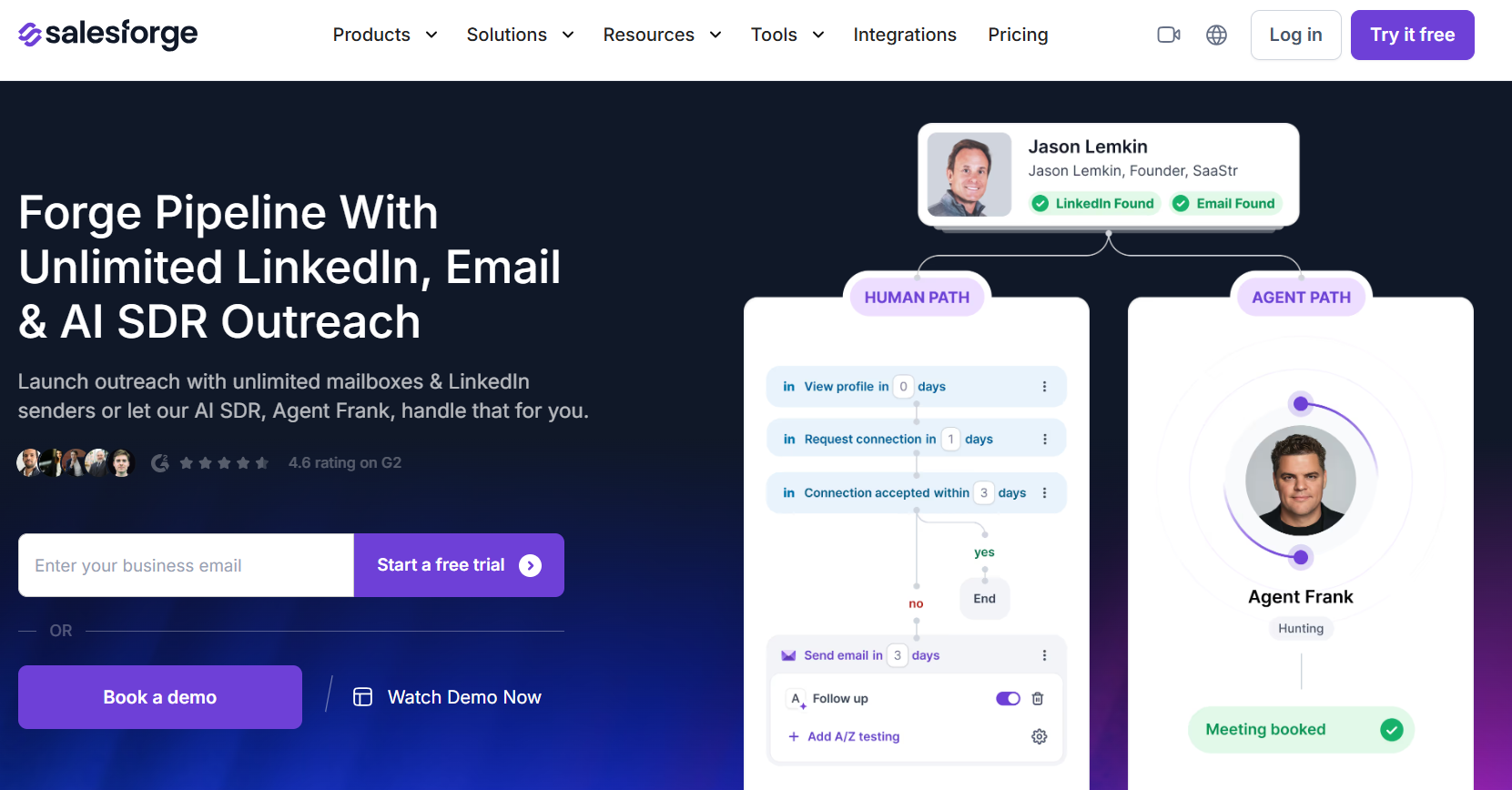
Salesforge has its own answer to both of Sbl.so's main ideas, because the Growth plan lifts the cap on LinkedIn senders and users while Agent Frank works as an AI SDR.
Email is the core channel and the senders are accounts you connect, so I'd normally suggest Growth over Pro for any team with more than one LinkedIn sender, since Pro stops at one.
Salesforge features
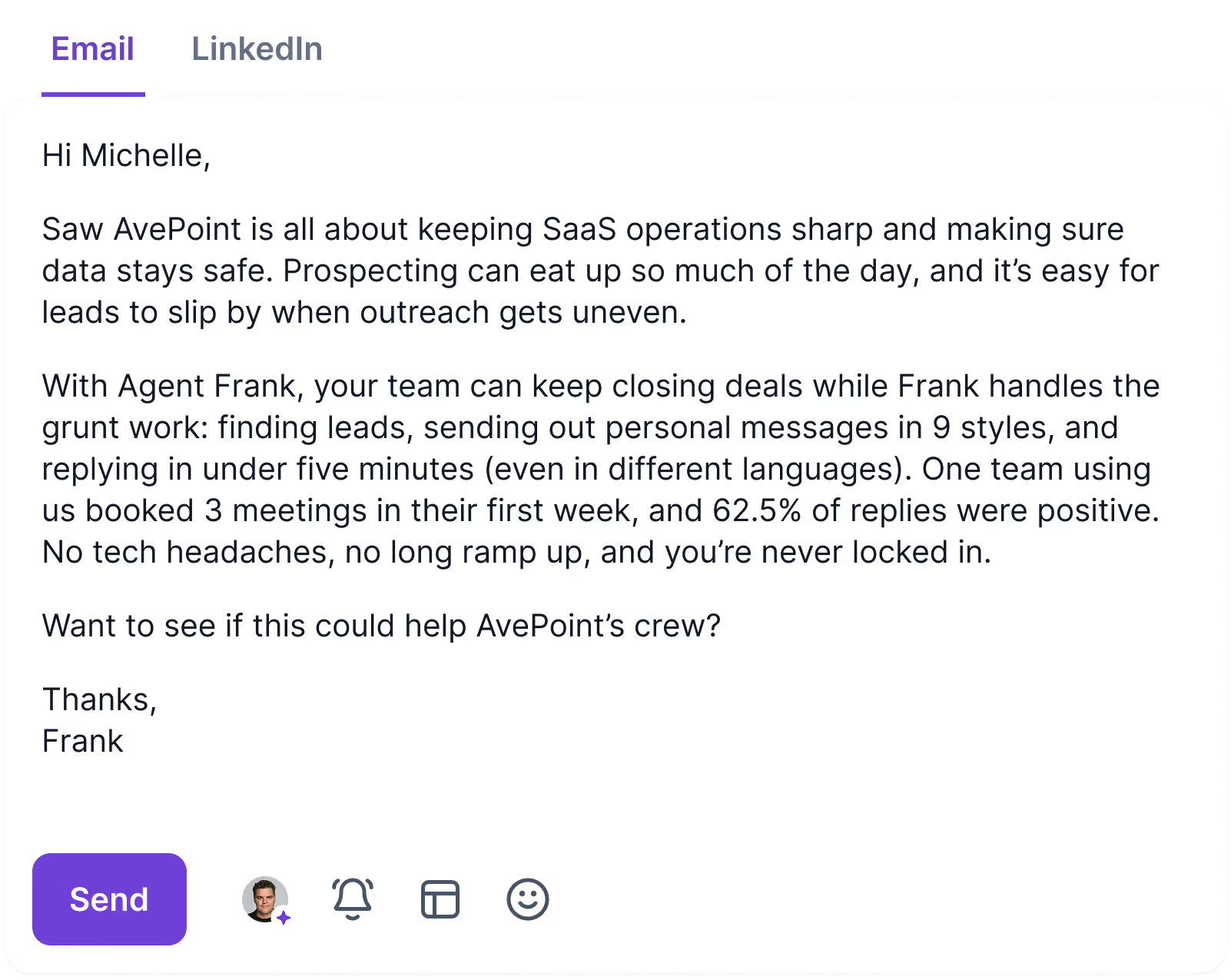
- Agent Frank: This AI SDR handles prospecting, writing, follow-ups, and meeting booking in over 20 languages, in co-pilot or autopilot mode.
- Unlimited senders: Both paid Salesforge plans include unlimited mailboxes, and Growth adds unlimited LinkedIn senders and users.
- Primebox: Email and LinkedIn replies share an inbox with sentiment analysis, and a reply from a second mailbox still threads correctly.
- Warmforge: Warm-up at no extra charge, plus inbox placement tests and domain health alerts.
Salesforge pricing
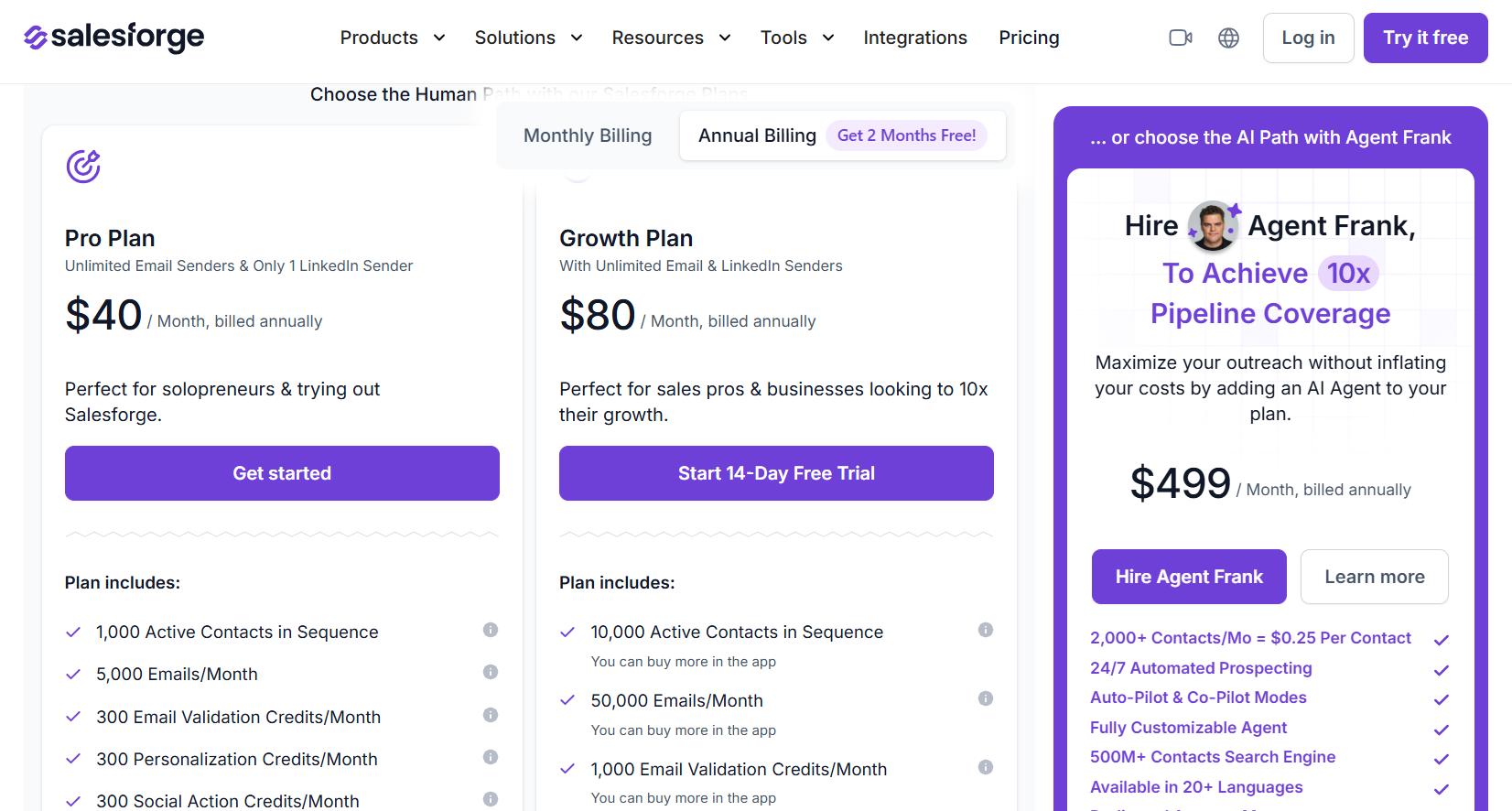
Salesforge prices by sending volume and active contacts, from $40 a month billed annually.
- Pro, $40/month billed annually: one LinkedIn sender, one user, 5,000 emails and 1,000 active contacts a month, unlimited mailboxes, and premium warm-up.
- Growth, $80/month billed annually: unlimited LinkedIn senders and users, 50,000 emails, 10,000 active contacts, split testing, multi-language sequences, API access, and priority support.
- Agent Frank, from $499/month billed annually: autonomous prospecting for 2,000 contacts a month, an account manager of your own, and a Slack channel shared with the vendor.
- Credits on Growth: separate monthly pools of 1,000 for email validation, personalization, and social actions.
Salesforge pros and cons
✅ Sender count doesn't change the Growth price.
✅ One vendor covers mailboxes, warm-up, lead sourcing, and sending.
✅ White label is available for agencies.
✅ Primebox threads a reply even when it arrives from a second mailbox.
❌ Personalization and social actions use credits.
➡️ More email-led options are in our Salesforge alternatives piece.
#6: Expandi
Best for: Buyers whose first question is what happens to their LinkedIn account, and who want sequences that branch on behaviour.
Similar to: HeyReach, Meet Alfred.
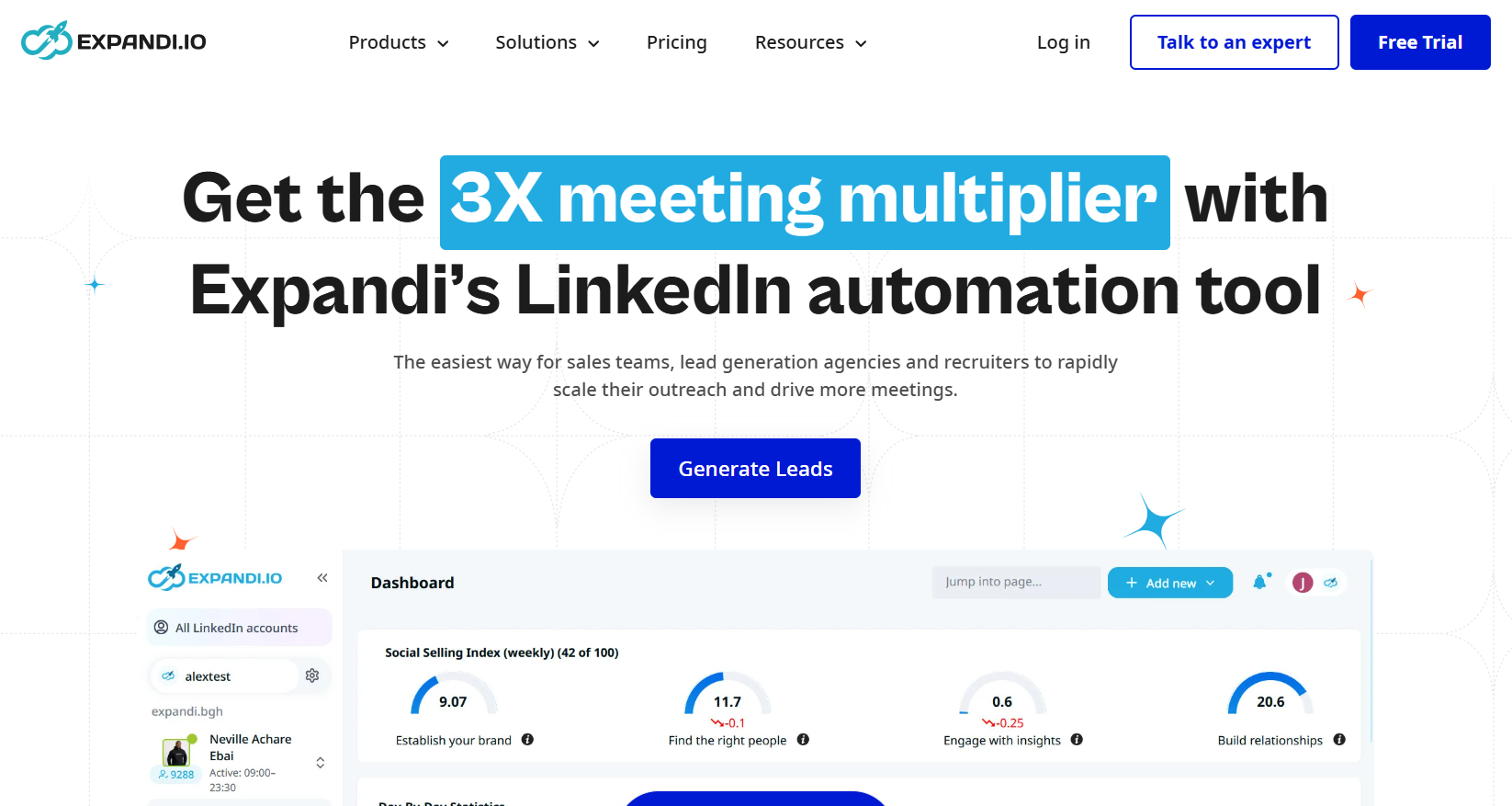
On safety, Expandi goes the opposite way from Sbl.so, with your own profile doing the sending behind a regional IP and a gradual warm-up.
Based on my experience, Smart Sequences are the reason people choose Expandi, since the next step depends on what a prospect did.
Expandi features
- Smart Sequences: If-then rules pick the next step after an accepted invite, a reply, a profile visit, an email open, or post engagement.
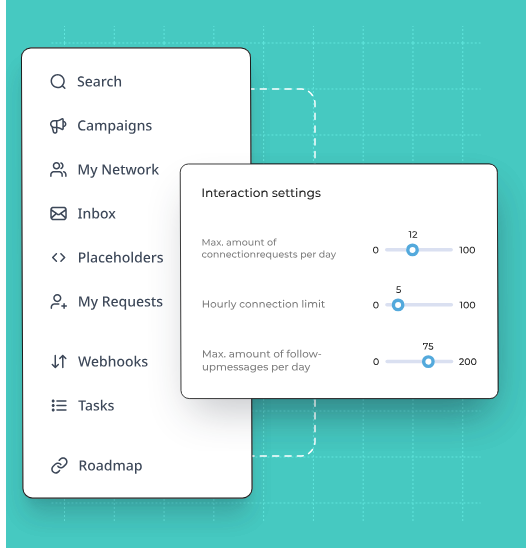
- Account protection: Expandi sends from the cloud through a regional IP tied to each LinkedIn account, with warm-up for new profiles and randomized daily ranges per action type.
- Warming the prospect: Profile views and post interactions can be scheduled ahead of the first message.
- Visual personalization: Dynamic images and GIFs through Hyperise and personalized video through Sendspark, each as a paid add-on.
- Step statistics: Numbers for each step show where prospects drop off.
Expandi pricing
Expandi publishes one plan at $79 a month, with two months waived on annual billing.
- Business, $79/month: the full protection layer, unlimited campaigns, email follow-ups in multichannel outreach, the sequence builder, statistics for each step, scheduling, campaign prioritization, and blacklisting.
- Agency, quoted from ten seats: roles and permissions, central campaign management, client reports, shared templates, a customer success manager, and white label.
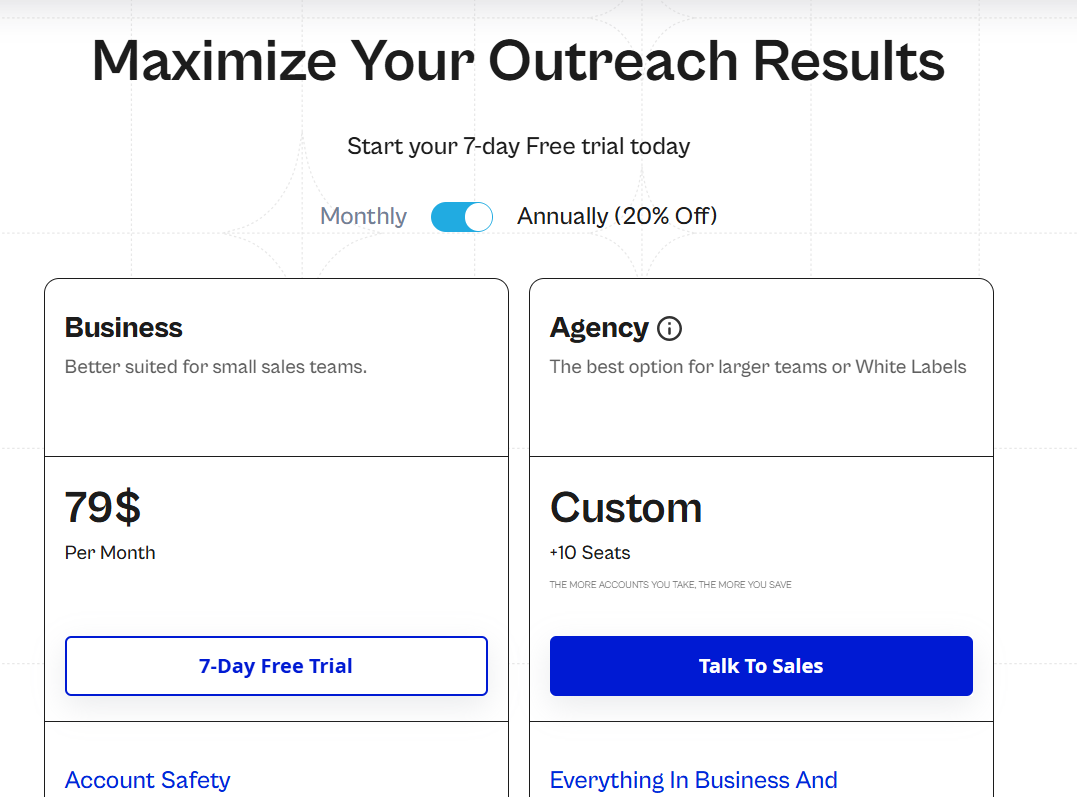
Expandi can be tested free for 7 days.
Expandi pros and cons
✅ A regional IP and automatic warm-up on every profile.
✅ Branching reacts to what the prospect did.
❌ Images and video cost extra.
❌ One published plan, at $79 per seat.
➡️ Teams weighing Expandi can find its closest rivals in our Expandi alternatives roundup.
#7: La Growth Machine
Best for: Teams running outbound across LinkedIn, email, calls, and X that would sooner pay per sending profile than per head.
Similar to: Reply.io, Lemlist.
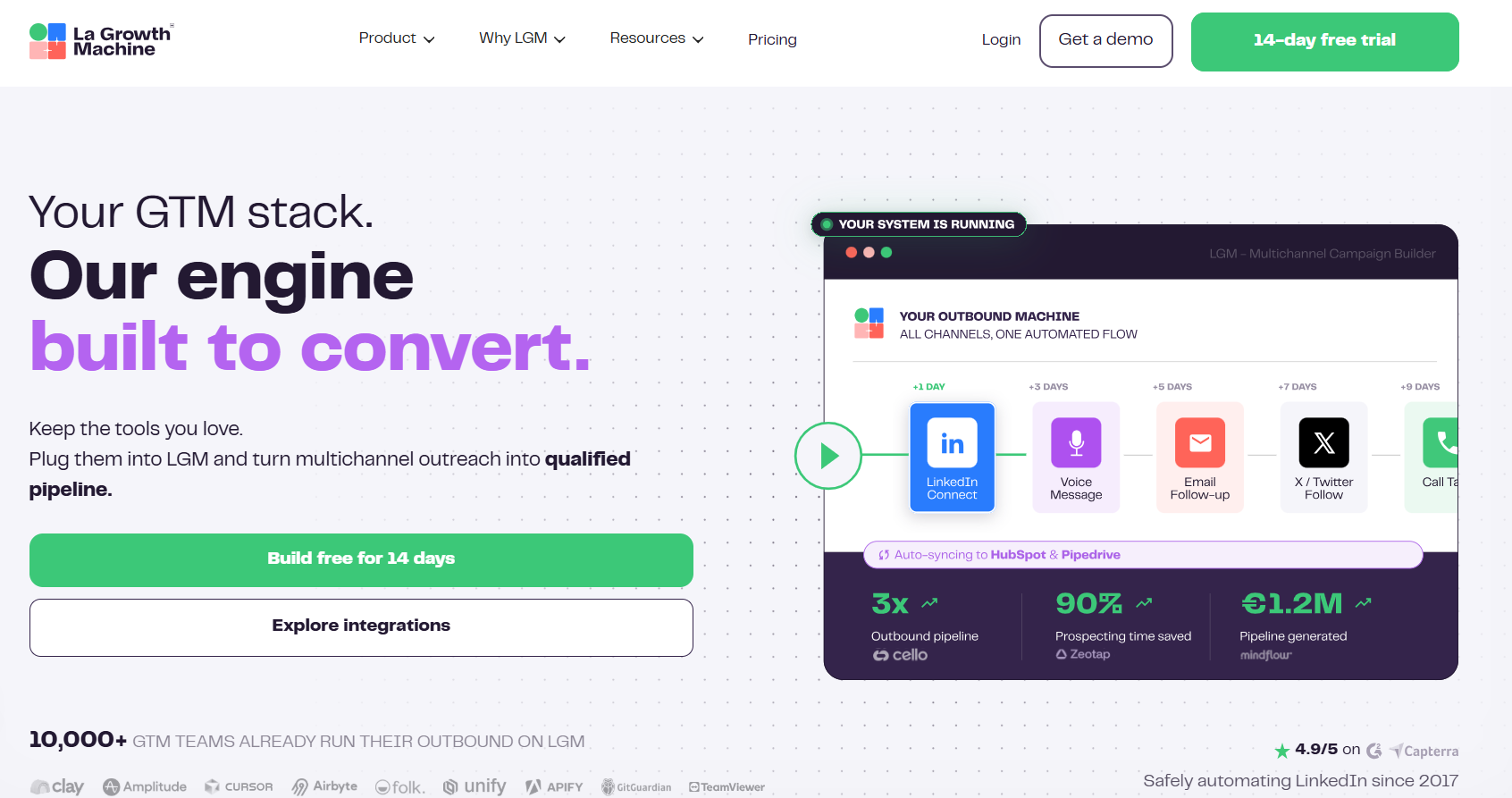
La Growth Machine bills per identity, which means per profile actively running campaigns, so the pricing logic resembles Sbl.so's outreach seats.
Those identities are your own team's profiles, and I tend to point teams with dedicated repliers here, because anyone who only answers replies joins free.
For a Sbl.so user who liked voice messages, La Growth Machine sends one recording at scale and has AI write a different opening line for each prospect.
➡️ The La Growth Machine alternatives article lists other per-identity and per-seat options.
La Growth Machine features
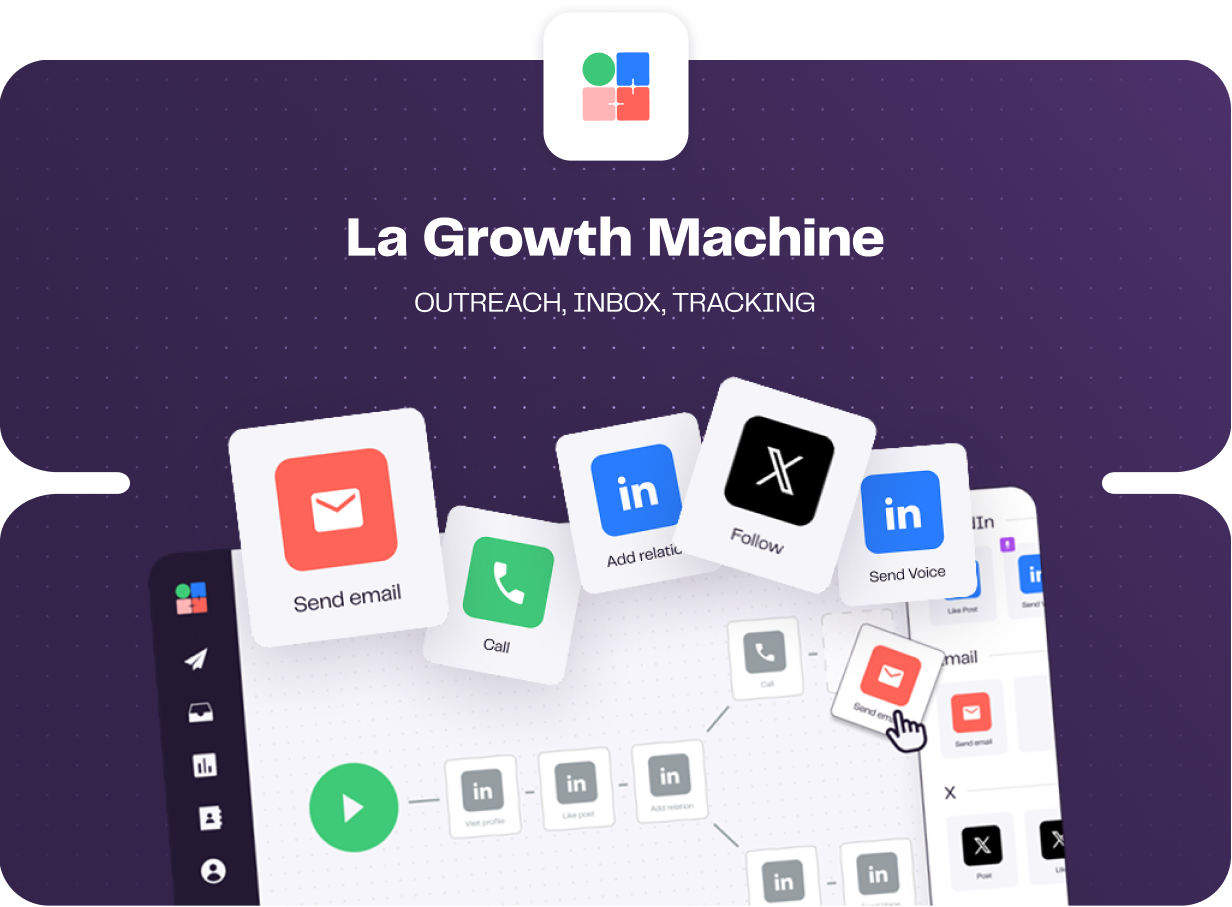
- LinkedIn voice messages: La Growth Machine sends a single recording to many prospects, each with its own AI-written opener.
- Branching and split tests: Leads follow different paths by behaviour, and tests cover subject lines and copy, down to whether a connection request carries a note.
- Shared inbox: LinkedIn and email replies pool together, filterable by identity or campaign, and status labels carry through to HubSpot or Pipedrive.
La Growth Machine pricing
On Basic, La Growth Machine costs $60 a month for each identity, and paying annually takes two months off.
- Basic, $60 per identity: email and LinkedIn steps from one sending address, 250 leads enriched monthly, and room for three identities and three teammates at most.
- Pro, $110 per identity: phone calls and social warming, enrichment for 400 leads, six campaigns live at once, five addresses in rotation, and 25 teammates at no charge.
- Ultimate, $165 per identity: X as a channel, enrichment for 1,000 leads, ten addresses, no ceiling on campaigns or teammates, and a HubSpot or Pipedrive sync that works both ways.
- Agency, custom: a quote that starts at six identities.
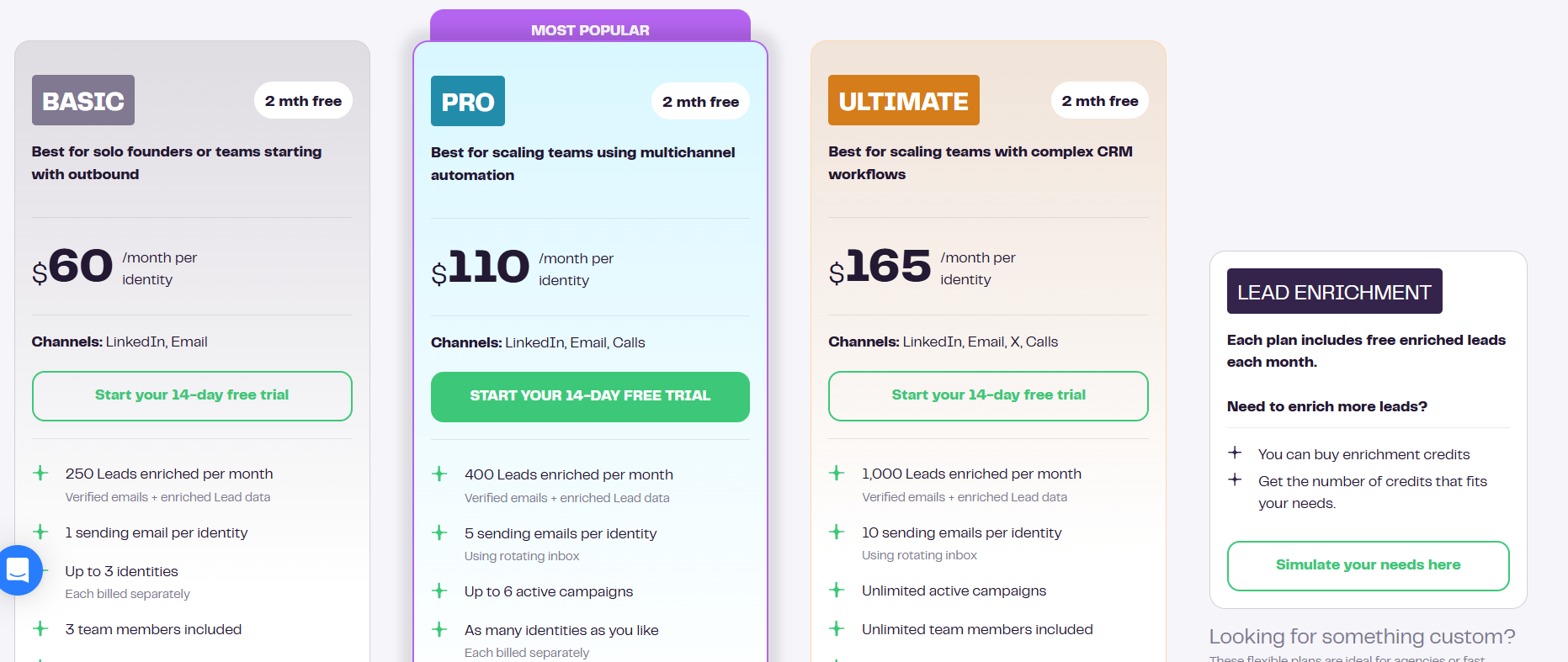
You can try La Growth Machine for 14 days without a card.
La Growth Machine pros and cons
✅ La Growth Machine's top tier puts four channels in one sequence.
✅ Enrichment is part of the subscription.
✅ Teammates who only answer replies are free.
❌ The bill grows with each sending identity.
❌ Occasional sync errors and interface lag, according to a G2 review.
#8: Lemlist
Best for: Email-first senders who also want a dialer and WhatsApp, plus agents watching for buying signals.
Similar to: Reply.io, Waalaxy.
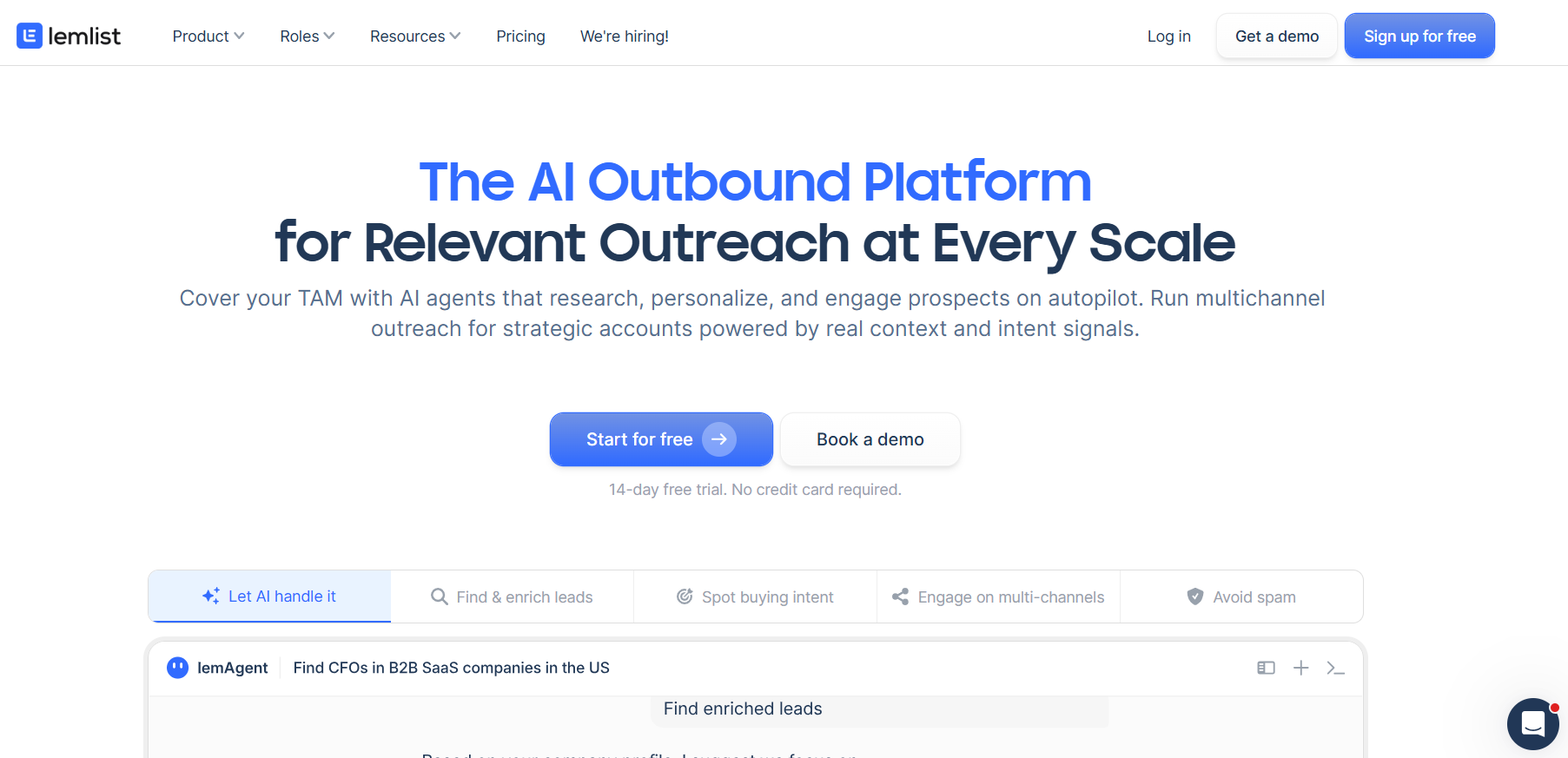
Lemlist's agents track hiring, role changes, funding rounds, and visits to your site, which puts it nearer to Sbl.so's signal-based lists than anything else here.
WhatsApp is the other overlap, available as an add-on to the Multichannel plan.
It helps to remember that Lemlist is built around email, and LinkedIn automation only begins on Multichannel at $87 per user a month billed yearly.
Lemlist features
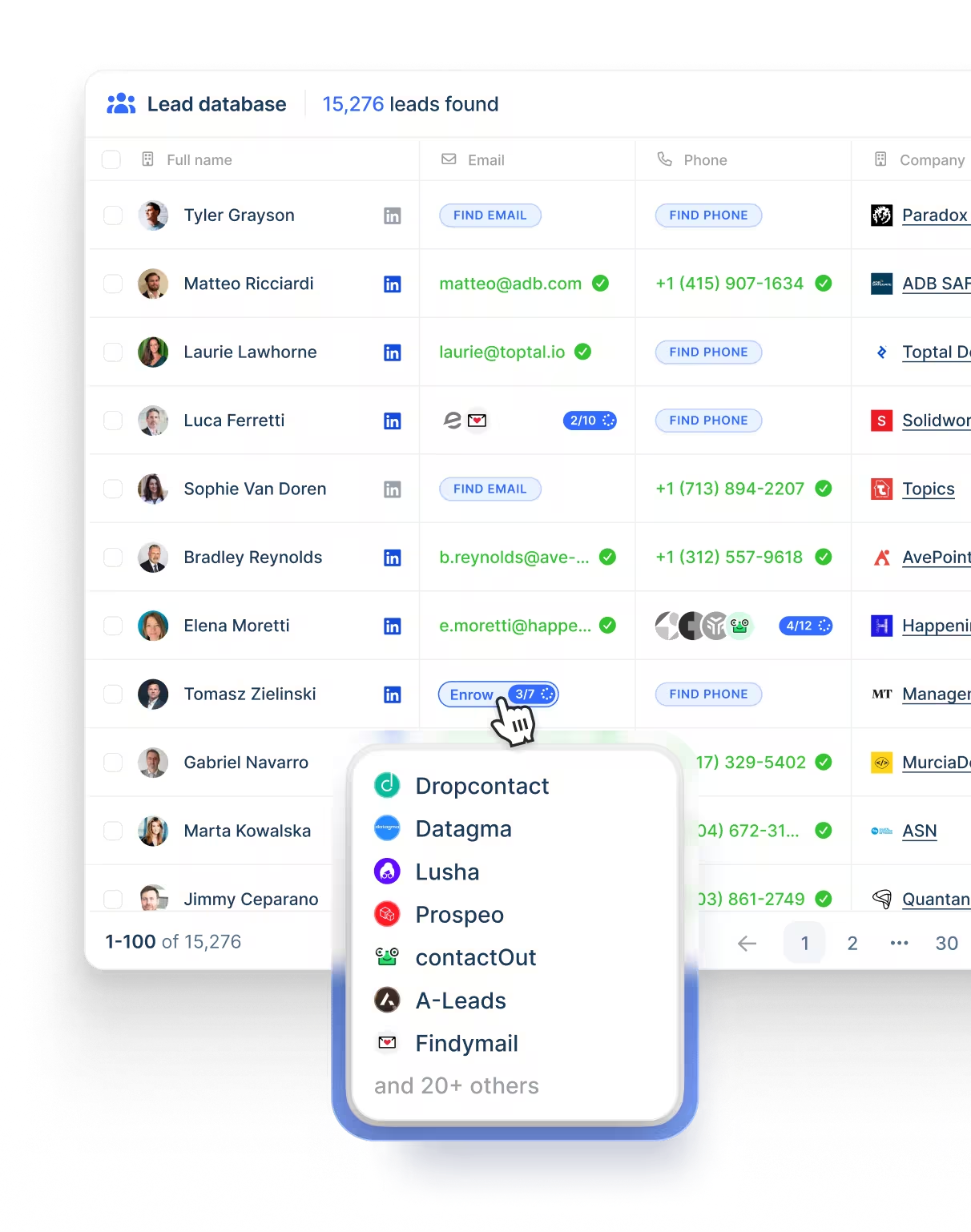
- Signal agents: Lemlist's agents flag hiring, role changes, funding, and website visits, while lemAgent researches accounts and cleans data.
- Five-channel sequences: Email, LinkedIn, phone, WhatsApp, and SMS in one campaign, with conditions choosing each lead's next step.
- Deliverability Hub: Warm-up, inbox rotation, limit management, and DNS checks, with warnings that arrive early.
- Contact database: More than 650 million records with address and phone lookup, billed by credit.
Lemlist pricing
Lemlist has three paid plans, each 20% cheaper on yearly billing.
- Email, $55 a month on yearly billing or $69 monthly: 50,000 messages a month and no limit on users or email senders, plus the Deliverability Hub and the contact database.
- Multichannel, $87 per user on yearly billing or $109 monthly: LinkedIn automation, a dialer, SMS, and unlimited messages across five senders per user, with WhatsApp as an add-on.
- Enterprise, custom: SSO, roles you define, priority support, and an account manager assigned by name.
- Credits: a verified address costs five and a phone number 20, while intent signals start at 20 apiece.
Lemlist's free trial lasts two weeks.
Lemlist pros and cons
✅ Signal agents and outreach in one subscription.
✅ WhatsApp and calling join the same sequence as LinkedIn.
✅ Warm-up and domain monitoring are included.
❌ Signals and enrichment draw on credits.
❌ A learning curve at the start, per a G2 review.
➡️ For tools closer to Lemlist's email-first model, see our Lemlist alternatives list.
#9: Waalaxy
Best for: First-time users and small teams that want lists built from post engagement and a campaign live the same day.
Similar to: Dux-Soup, Lemlist.
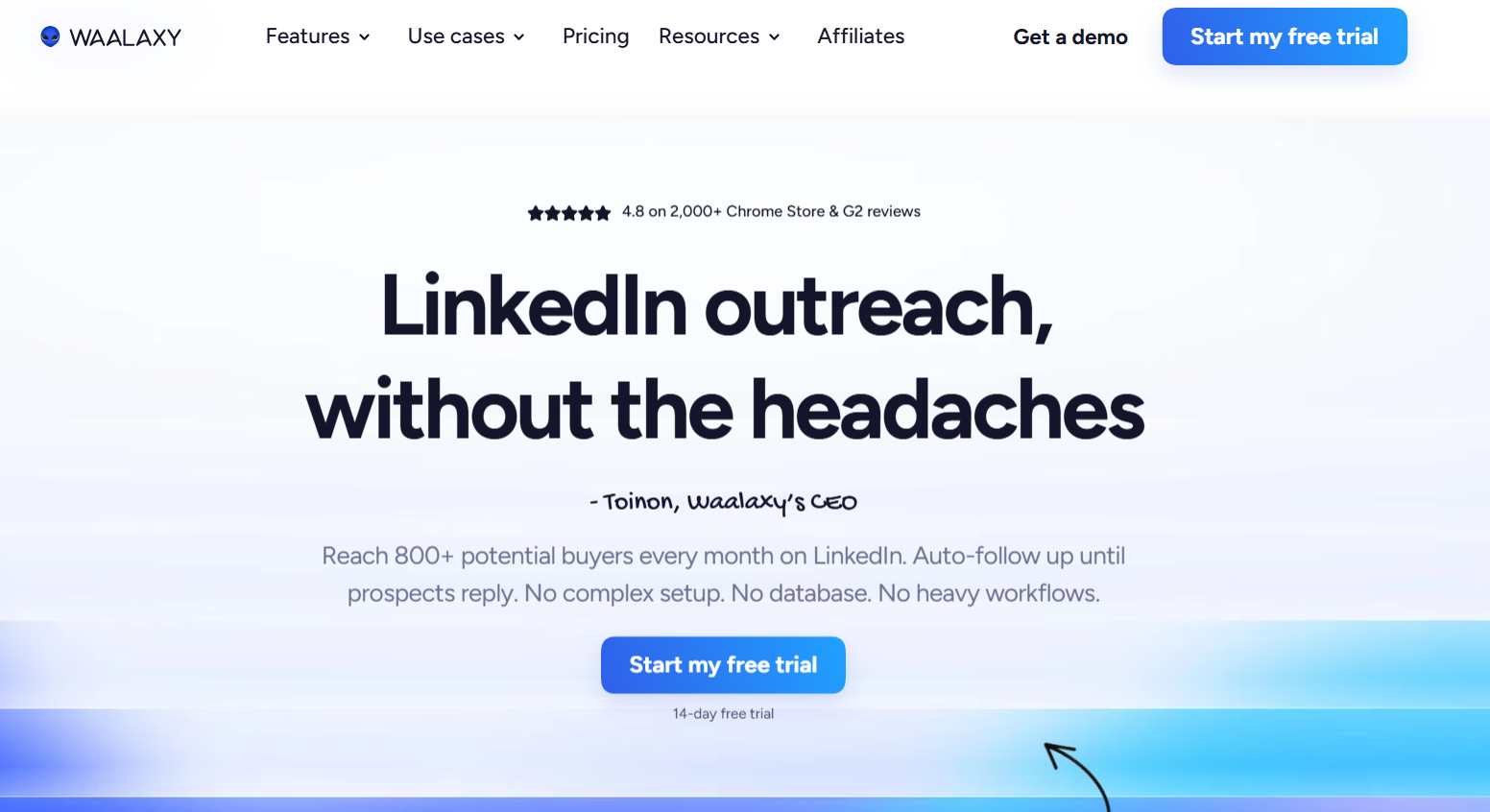
Waalaxy and Sbl.so share one idea, building lists from interest, and Waalaxy does it by capturing reactions and comments on your posts along with people who engage with rival companies.
Everything else works differently, since Waalaxy is a Chrome extension running on your own LinkedIn account, and I see it mainly as a low-cost first test at €19 a user.
➡️ Beginner-friendly tools like this one are compared in our Waalaxy alternatives guide.
Waalaxy features
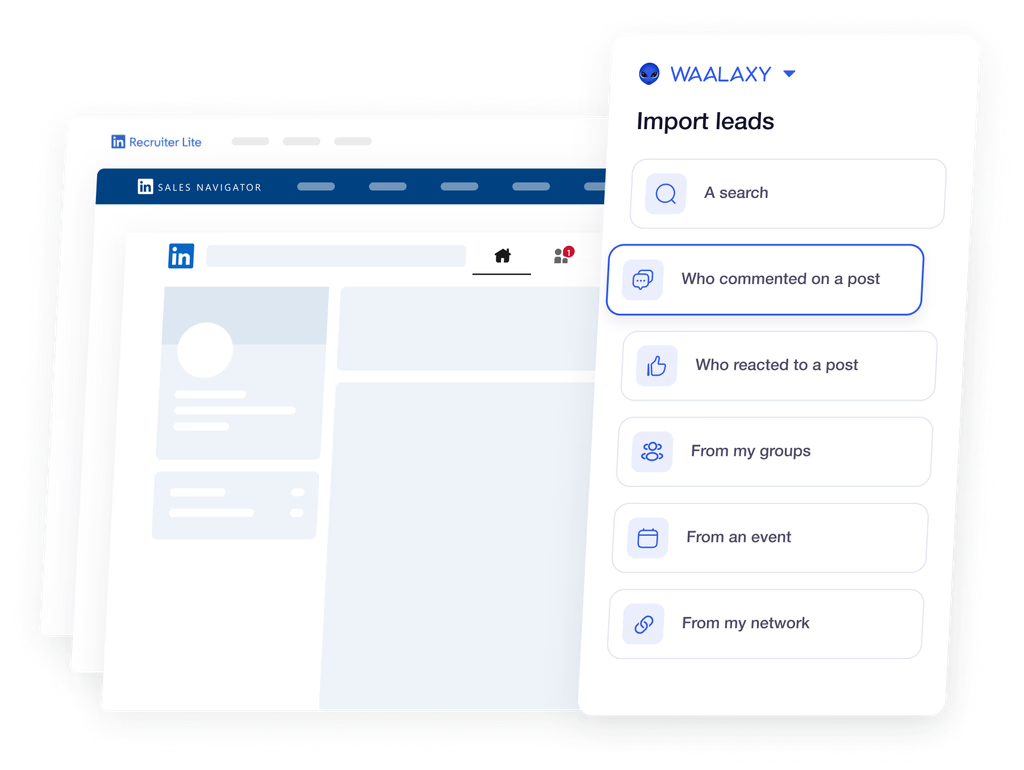
- Interest triggers: Post reactions, comments, and engagement with competitors or prominent voices in your category feed lists on their own.
- 99 templates: Prebuilt sequences start from ordinary LinkedIn searches, Sales Navigator lists, or Recruiter Lite, and anyone who replies is taken out automatically.
- Email steps: The Business tier adds email follow-ups fed by address-finder credits, at a match rate Waalaxy puts above 61%.
- Team checks: Overlap checks stop two reps from messaging the same lead, alongside shared lists and permissions.
Waalaxy pricing
Waalaxy pricing is per user from €19 a month, a rate that falls on longer commitments, and the monthly LinkedIn invitation allowance is what separates the tiers.
- Pro, €19/user/month: the template library, automatic follow-ups, a CRM sync, unlimited campaigns, and an allowance of 300 invitations monthly.
- Advanced, €49/user/month: the allowance rises to 800, with chat support, API access, and modules for Zapier, Make, and n8n.
- Business, €69/user/month: cold email and campaigns mixing LinkedIn with email, powered by 500 address-finder credits a month.
- LinkedIn Inbox add-on: priced on top of whichever tier you choose, after 500 free conversations.
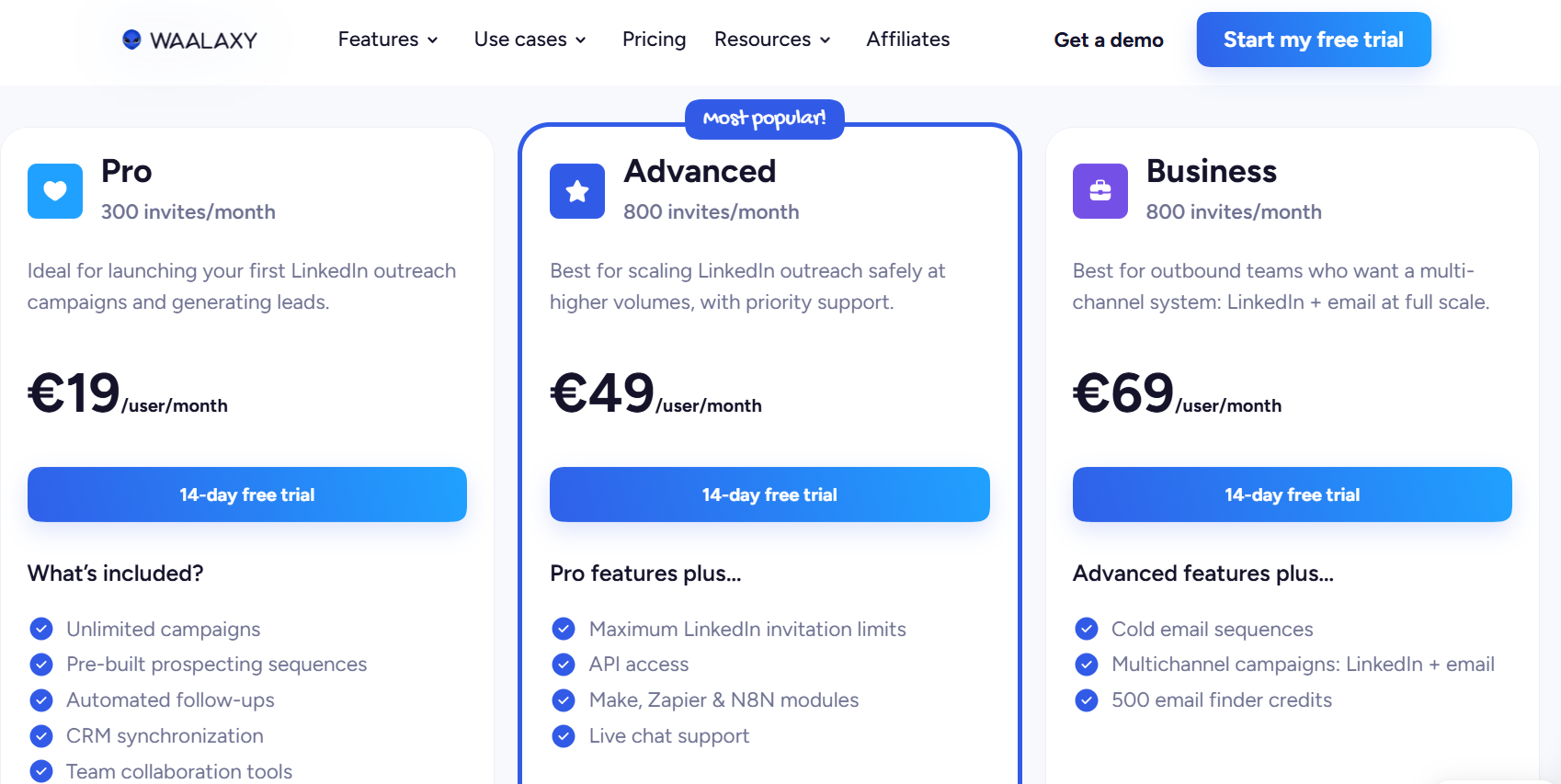
The trial lasts 14 days and needs no card.
Waalaxy pros and cons
✅ Lists fill from post engagement without manual work.
✅ A first Waalaxy campaign starts from a template.
❌ The inbox is a paid add-on.
❌ Email starts on Business.
#10: Dripify
Best for: Individual sellers and small teams looking for a drag-and-drop LinkedIn and email builder, run from their own account.
Similar to: Waalaxy, We-Connect.
With Dripify, you build the drip on your own LinkedIn account and answer the replies yourself, which makes it the most conventional tool on this list.
I've included Dripify because Sbl.so compares itself with it directly, and because email steps come with the entry tier while Sbl.so still lists email as coming soon.
Dripify features
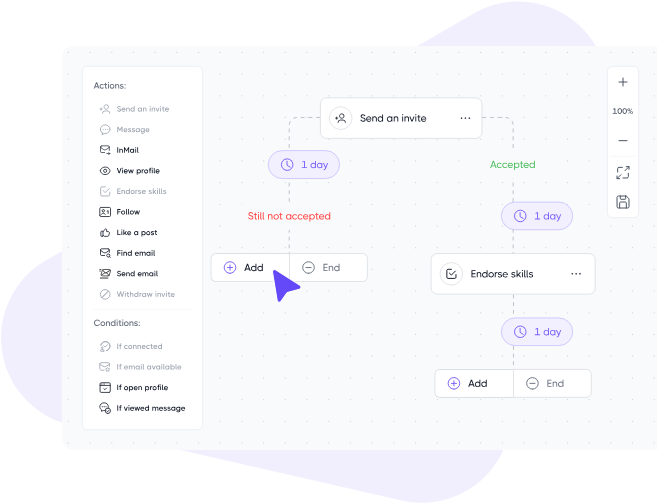
- Drip builder: Dripify arranges ten or more LinkedIn and email steps with wait times and branching rules, plus templates for common lead generation flows.
- Personalization fields: More than 20, including an icebreaker variable and a backup phrase for profiles missing the detail.
- Lead data: Every paid plan carries monthly email finder credits, plus a verifier and enrichment of around 30 data points per lead.
- Nine lead sources: One of them treats any LinkedIn post as a continuous source of new prospects.
- Step analytics: From Advanced, accepted invites and replies are counted per step.
Dripify pricing
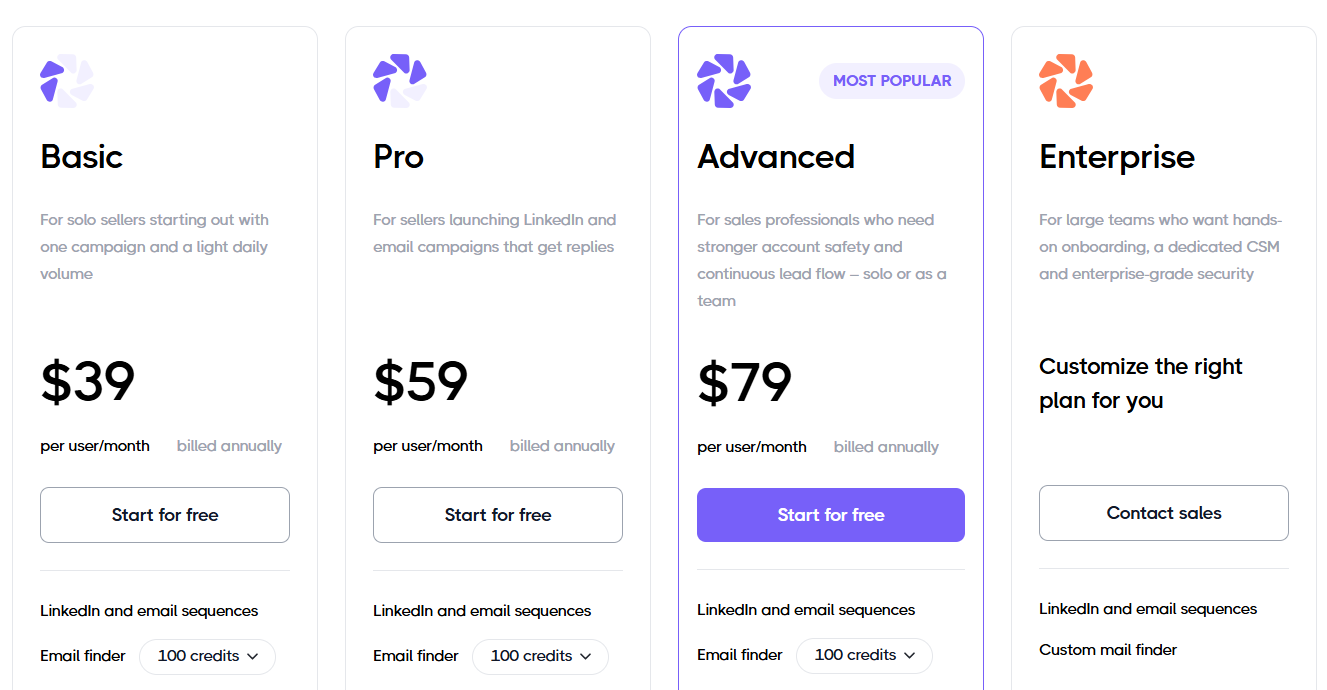
Dripify's pricing has three published tiers billed per user, and LinkedIn automation starts at $39 a month on annual billing.
- Basic, $39 a month billed annually or $59 monthly: a single drip campaign on limited daily quotas, with templates, reports, LinkedIn protection, and a live support team at any hour.
- Pro, $59 billed annually or $79 monthly: campaigns without a cap, daily quotas in full, an inbox of its own, exports to CSV, and webhooks.
- Advanced, $79 billed annually or $99 monthly: split tests and analytics per step, tags for leads, evergreen leads, stronger LinkedIn protection, and management of several teams.
- Enterprise, custom: premium onboarding and a success manager for your account, plus technical support reserved for you.
Dripify pros and cons
✅ LinkedIn and email from the entry tier.
✅ Easy for someone new to automated outreach.
❌ Basic covers one campaign.
❌ Team management starts on Advanced.
➡️ We've ranked similar drip tools in our Dripify alternatives article.
How do Sbl.so alternatives compare on sending profiles and reply handling?
Among these eleven tools, Sbl.so is the only one I found renting out sending profiles, whereas every alternative sends from LinkedIn accounts that you or your team connect.
On replies, three of the ten list AI that answers, and I found no such feature in the plans of the other seven.
I've put each LinkedIn automation tool against both points in the comparison below, with Sbl.so included for reference:
When is Sbl.so still the better fit?
Sbl.so is still the better fit for anyone who doesn't want campaign volume on their own LinkedIn profile, or who wants AI to run the conversation through to a booked meeting.
These are the four cases where I wouldn't switch:
- You're a founder with no SDR, and AI replies in more than 100 languages save you from hiring one.
- Your personal profile has to stay clear of outreach, and rented SDR Profiles are how you'd scale.
- Your buyers answer on WhatsApp.
- You want lists refreshed daily from signals such as job changes and funding news.
Try Meet Alfred from your own profile
Meet Alfred fits teams that want LinkedIn outreach to come from the people who'll later run the sales call, with email and X covering the prospects LinkedIn doesn't reach.
My suggestion for the trial is to connect one rep's account, aim a campaign at people who reacted to a single post, and judge it on accepted connections and replies after a week.
➡️ Start your 7-day free trial, no card needed, or watch the demo to see the platform first.
⚠️ Disclaimer: The details in this article were last checked on 23 November 2026. If something has changed since then, please contact us so we can correct it.
FAQs
What is the best alternative to Sbl.so?
Meet Alfred is the best Sbl.so alternative in 2026 for teams that want outreach sent from their own LinkedIn profiles and answered by people, with email and X in the same sequence.
If AI replies are the part of Sbl.so you'd miss, We-Connect is the one to test beside it, because auto-reply comes with its $49 seat.
Running both trials on the same audience for a week will tell you more than a feature list can.
Which Sbl.so alternative is cheapest?
At €19 a user each month, Waalaxy has the lowest price here, followed by Dripify and our LinkedIn Only plan at $39 a seat billed annually.
Sbl.so's $99 Starter plan includes two outreach seats and 1,000 leads a month, so I compare it with two seats elsewhere, which comes to $78 on Meet Alfred or Dripify.
Those lower prices don't include supplied leads or AI replies, which is what the difference on Sbl.so pays for.
Which Sbl.so alternatives answer replies with AI?
We-Connect, Reply.io, and Salesforge answer replies with AI, each in a different way.
We-Connect's auto-reply runs in co-pilot or autonomous mode from its Growth seat, Reply.io sells Jason AI SDR from $500 a month, and Salesforge's Agent Frank starts at $499 a month billed annually.
Meet Alfred isn't in that group, because our campaigns pause on a reply and pass the thread to a person.
In my experience, the first month with any of the three goes better in a mode where you approve each draft.
Can I run outreach from my own LinkedIn profile with these tools?
Yes, all ten alternatives send from LinkedIn accounts that you or your teammates connect, and none lists rented profiles in its plans.
Sbl.so supports this too, since an outreach seat can be your own account, but its SDR Profiles are the part these tools don't copy.
With Meet Alfred, a seat covers one user and one connected account and can't be shared, which is why every sending rep needs their own.
Which Sbl.so alternatives include email?
Dripify, Expandi, La Growth Machine, Salesforge, Lemlist, and Reply.io include email on their entry plans.
Meet Alfred adds email and X on Multi-Channel at $49 a seat, We-Connect adds email on Professional at $59, and Waalaxy on Business at €69.
HeyReach has no outbound email, while Sbl.so lists email as coming soon.
One thing I check before counting on email is where the addresses come from, because Meet Alfred has no email finder and relies on CSV imports or your first-degree connections' contact details.
Which Sbl.so alternative is best for agencies?
Meet Alfred is the best fit for agencies whose clients want outreach from named people at their own company.
Our Agency plan adds white label and impersonation at $59 a seat billed annually, from three seats.
HeyReach suits agencies that count senders in dozens, at $999 a month for 25.
Sbl.so's own agency pitch is different again, built on unlimited workspaces and rented SDR Profiles, so the choice depends on whether your clients want their own profiles used.
Is it safer to send from my own LinkedIn profile or a rented one?
Neither option removes the risk, because LinkedIn looks for automation whichever profile sends.
A rented profile shields your personal account from a restriction, whereas an own profile running in the cloud behind a dedicated IP on conservative limits reduces the risk as your network grows.
I keep limits modest and personalize every message on any tool, and our guide on how to unrestrict a LinkedIn account covers what to do if a profile does get flagged.
Gustavo Parra is a Senior SEO & Content Strategist at Meet Alfred, where he specializes in LinkedIn automation, AI-driven outreach, and account-safe growth strategies. He works closely with product, engineering, and support teams to design automation frameworks that help sales teams and agencies scale LinkedIn outreach while minimizing risk. Gustavo focuses on turning real platform data and firsthand product experience into practical, compliance-first guidance.
Related Articles